
Last updated September 10, 2026
Full 25-point door and opener safety check with every visit - springs, cables, rollers, tracks, and your LiftMaster or Chamberlain opener included
You get a price before we start. It does not change when the truck arrives.
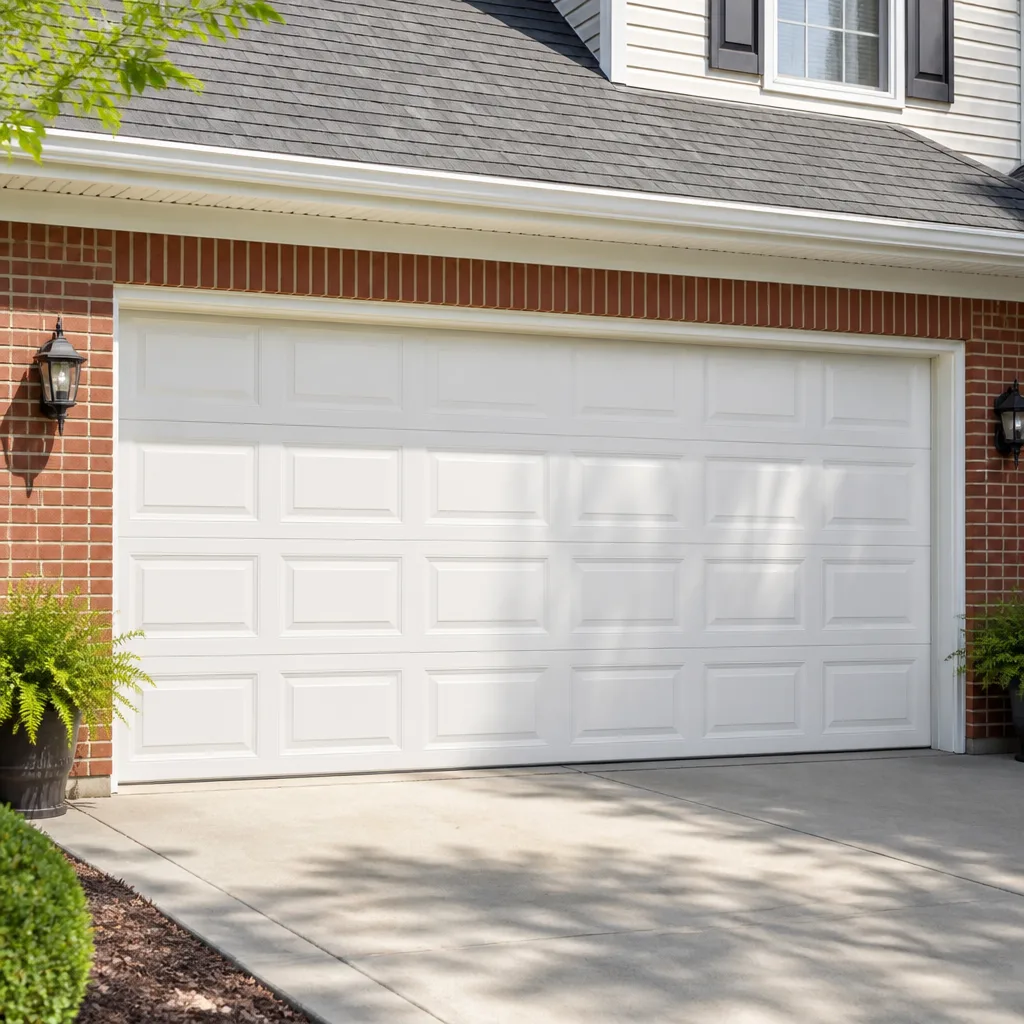
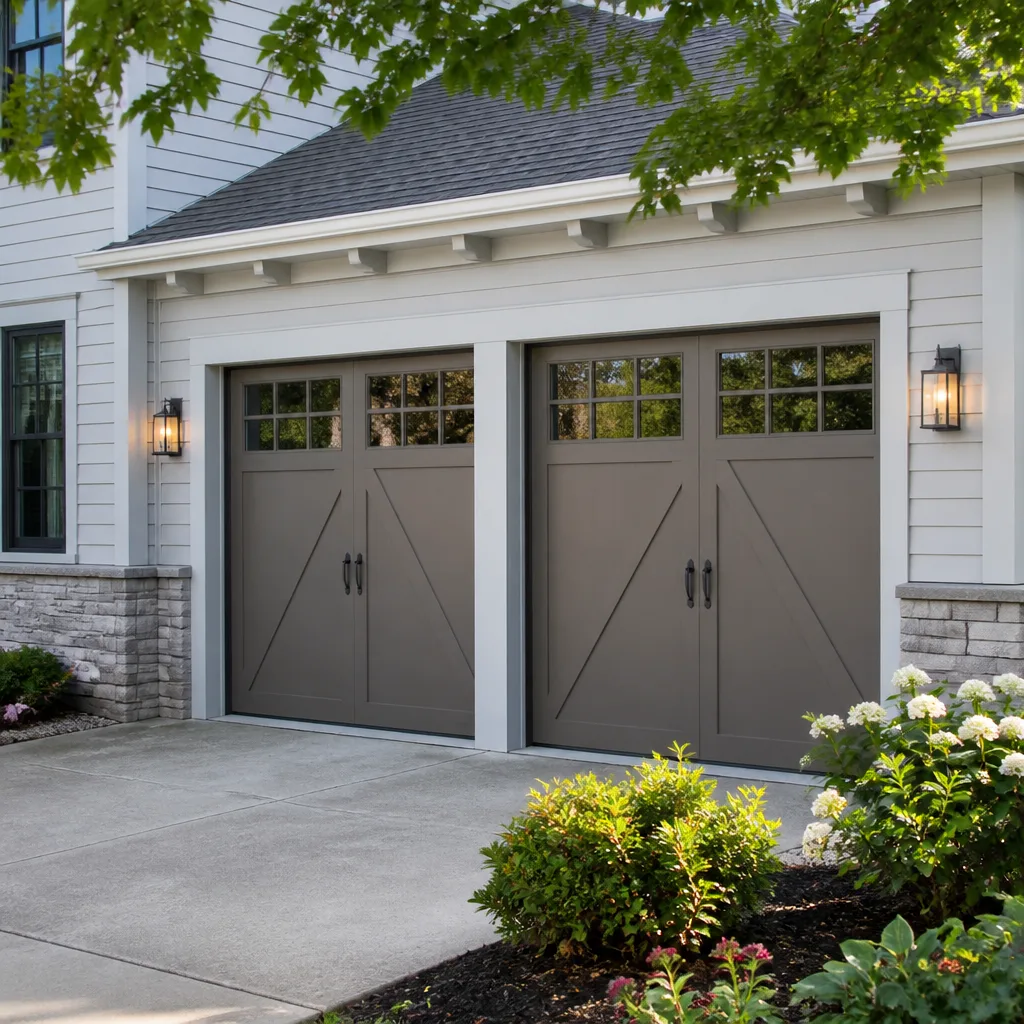
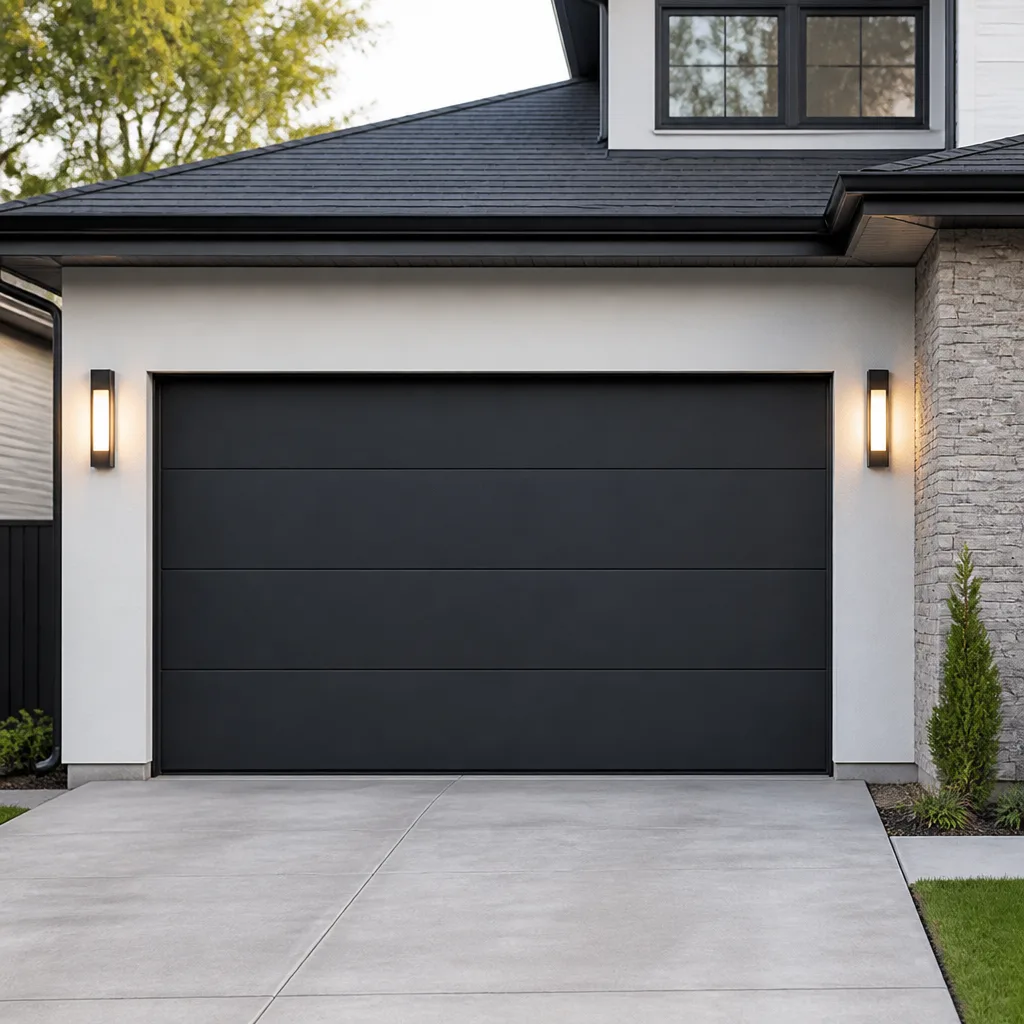
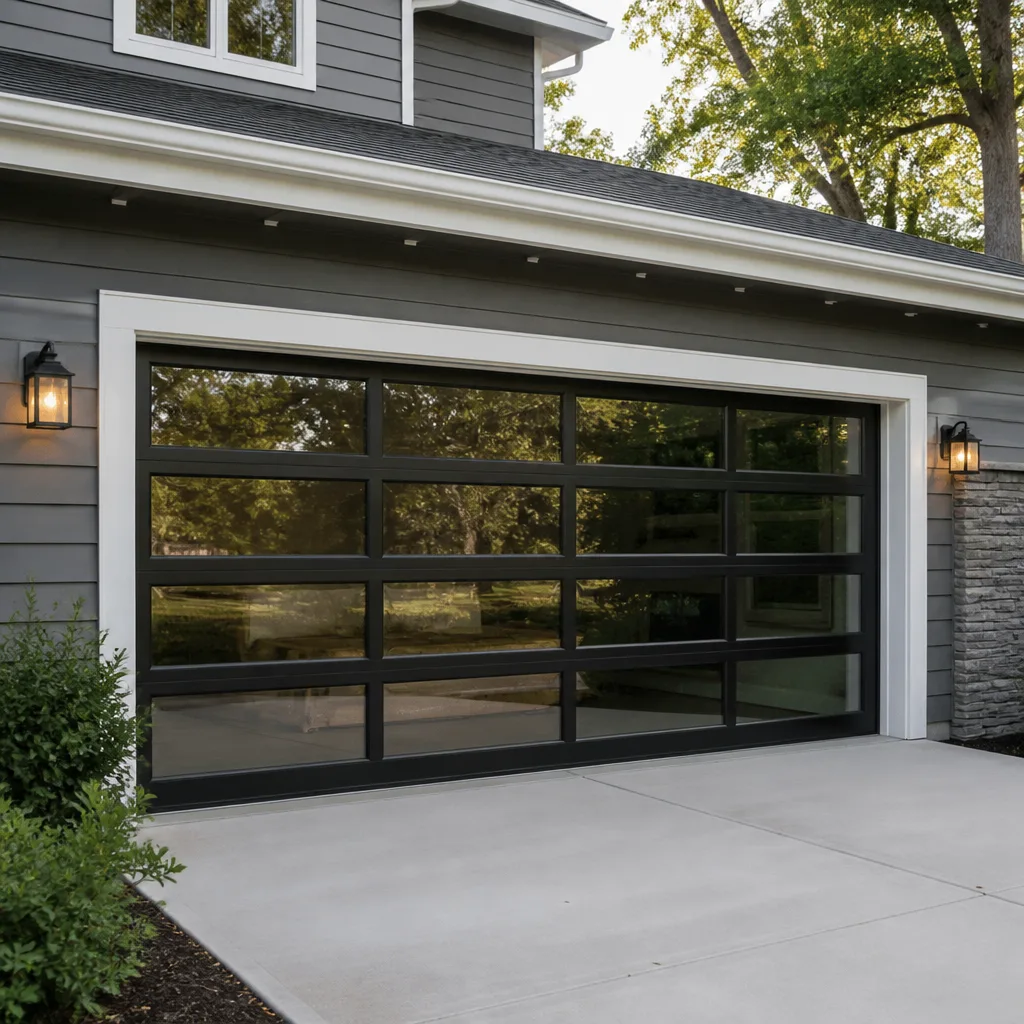
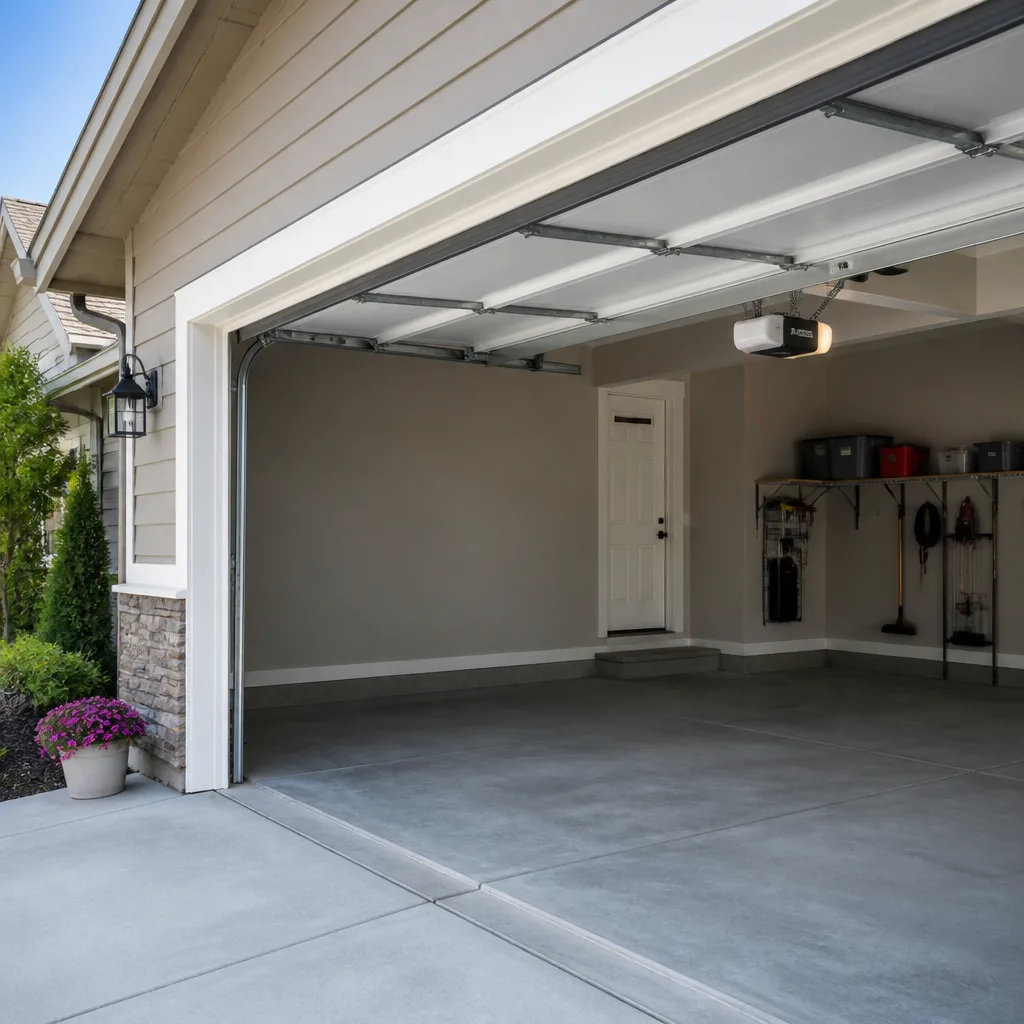
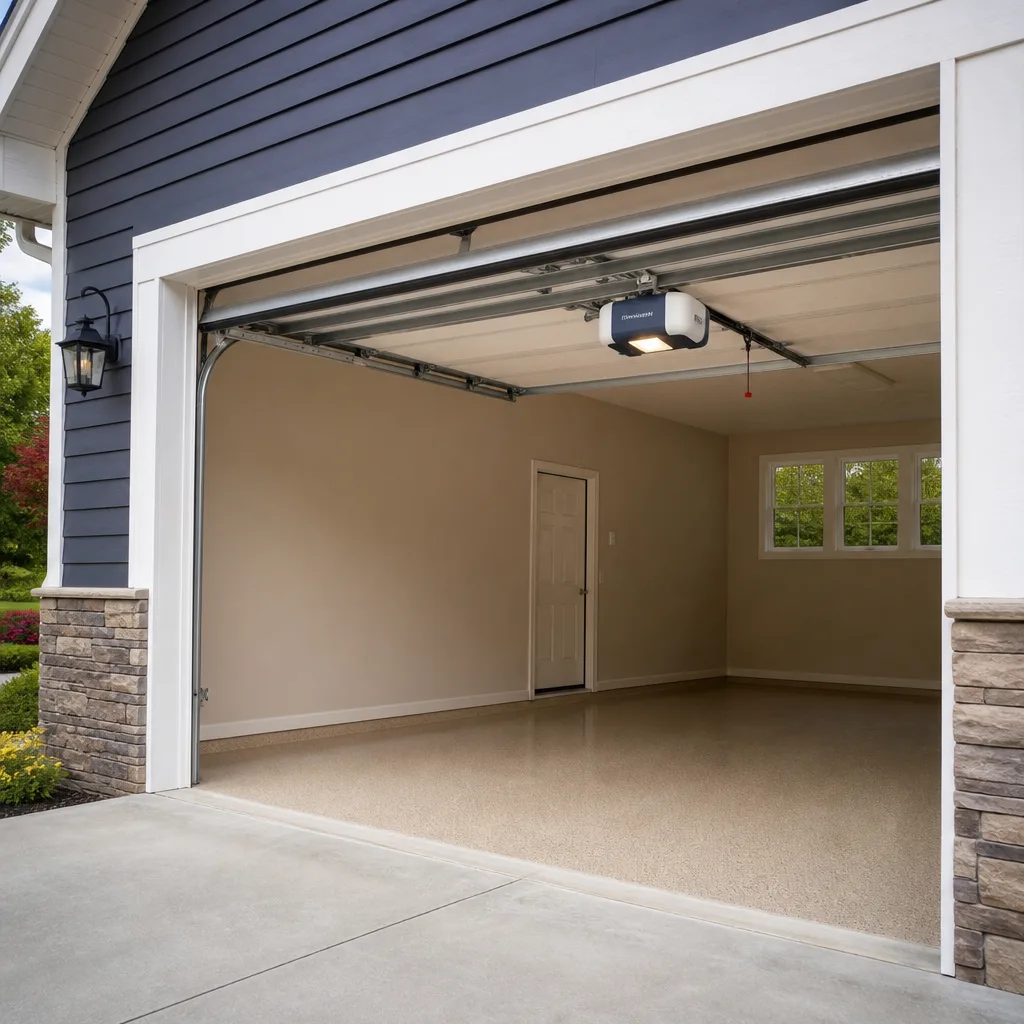
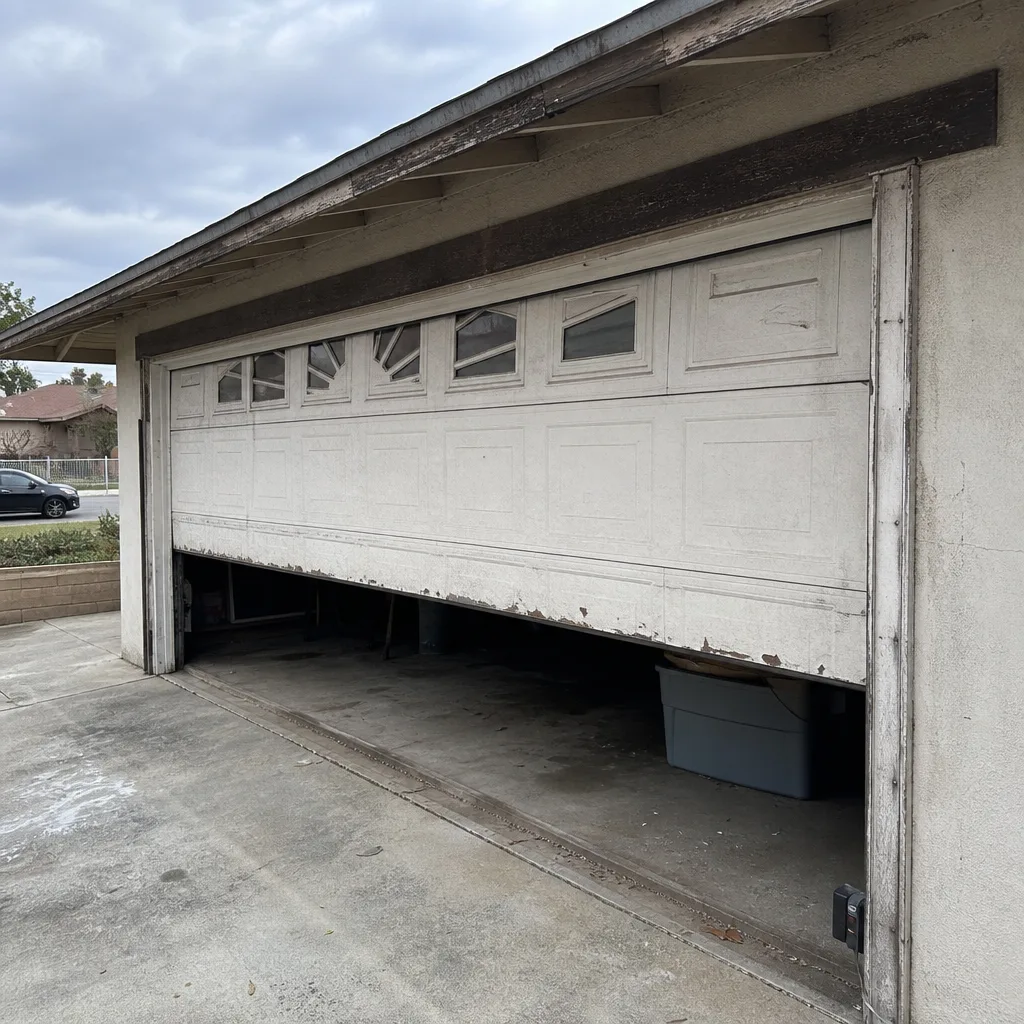 Before
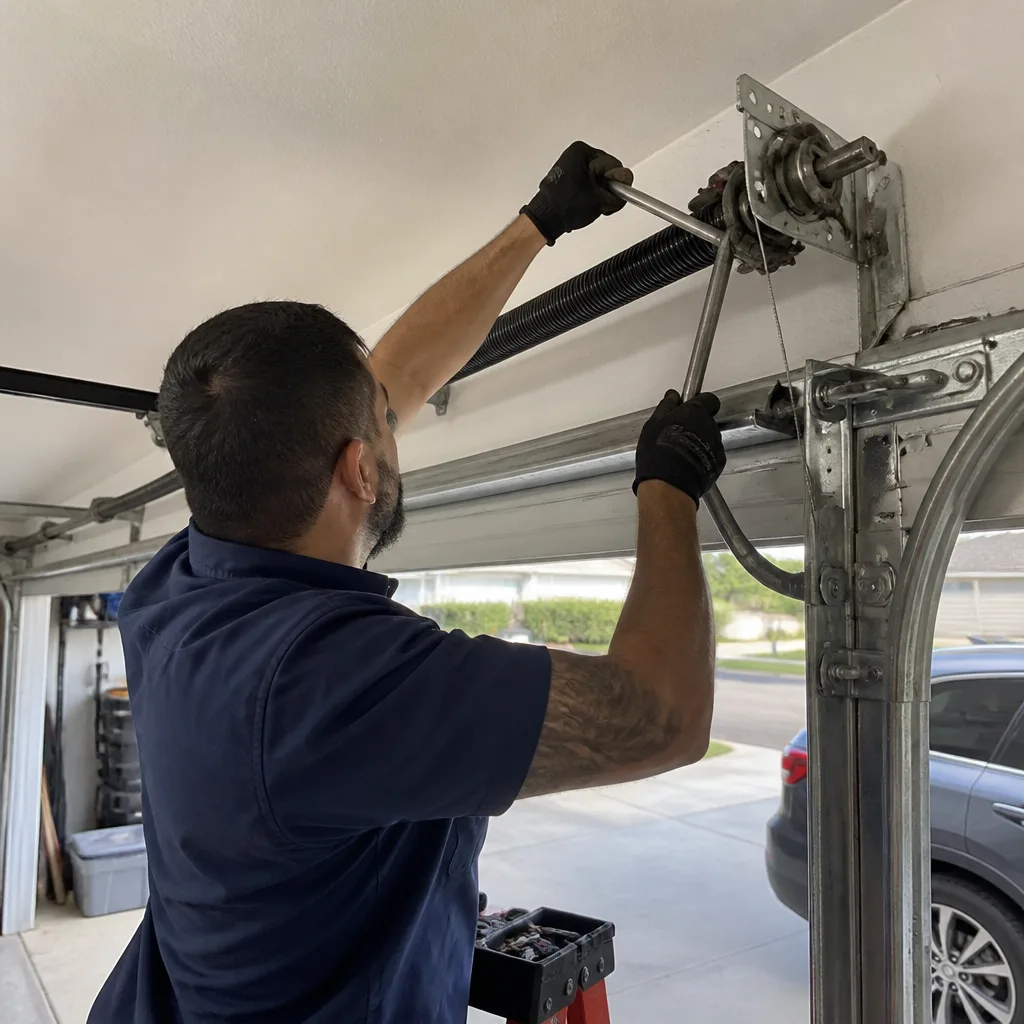 After
After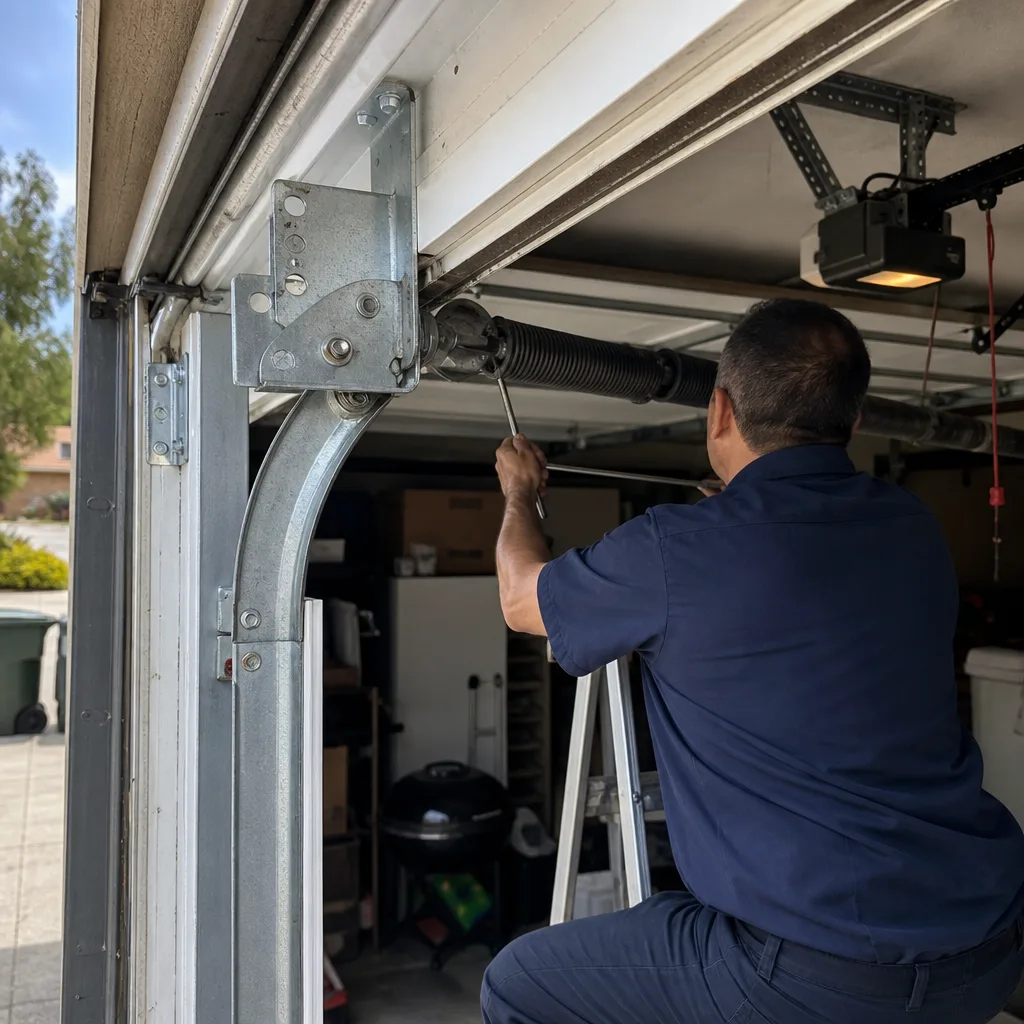 Before
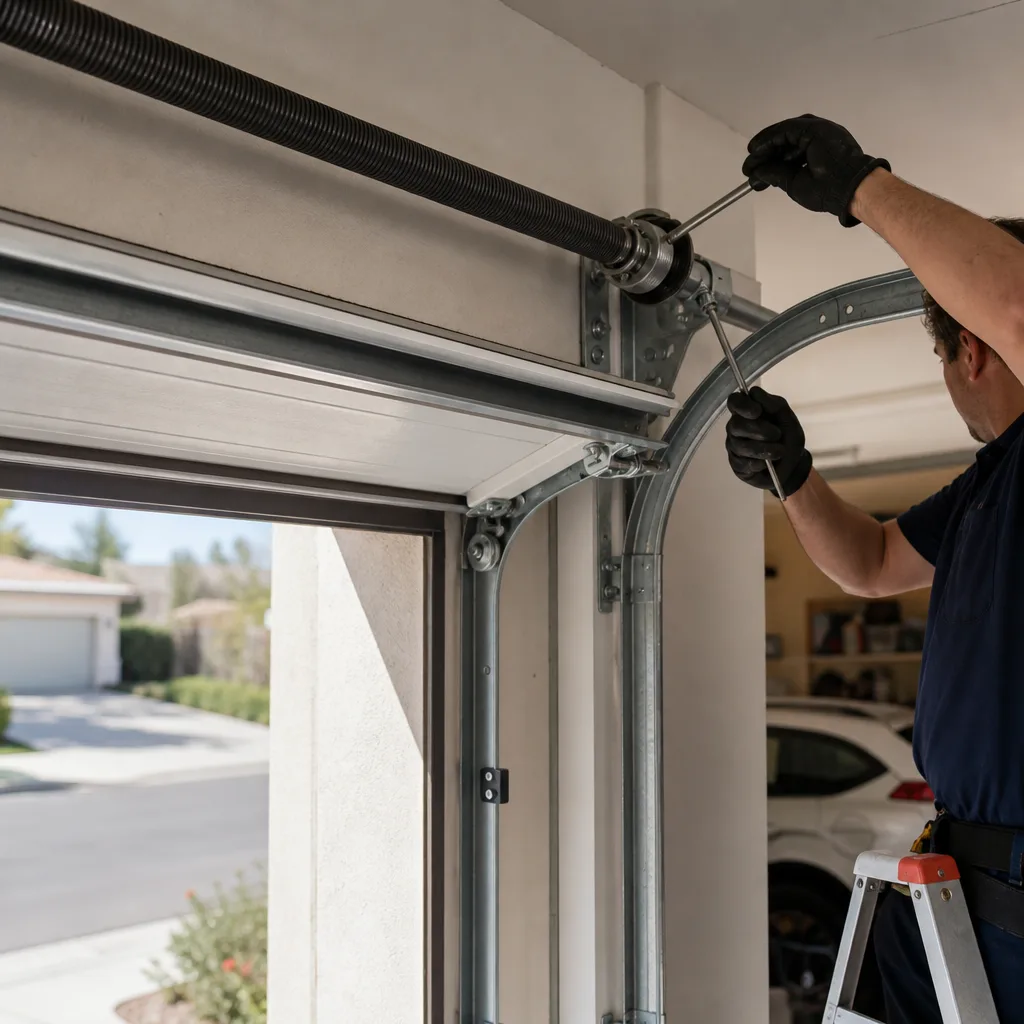 After
After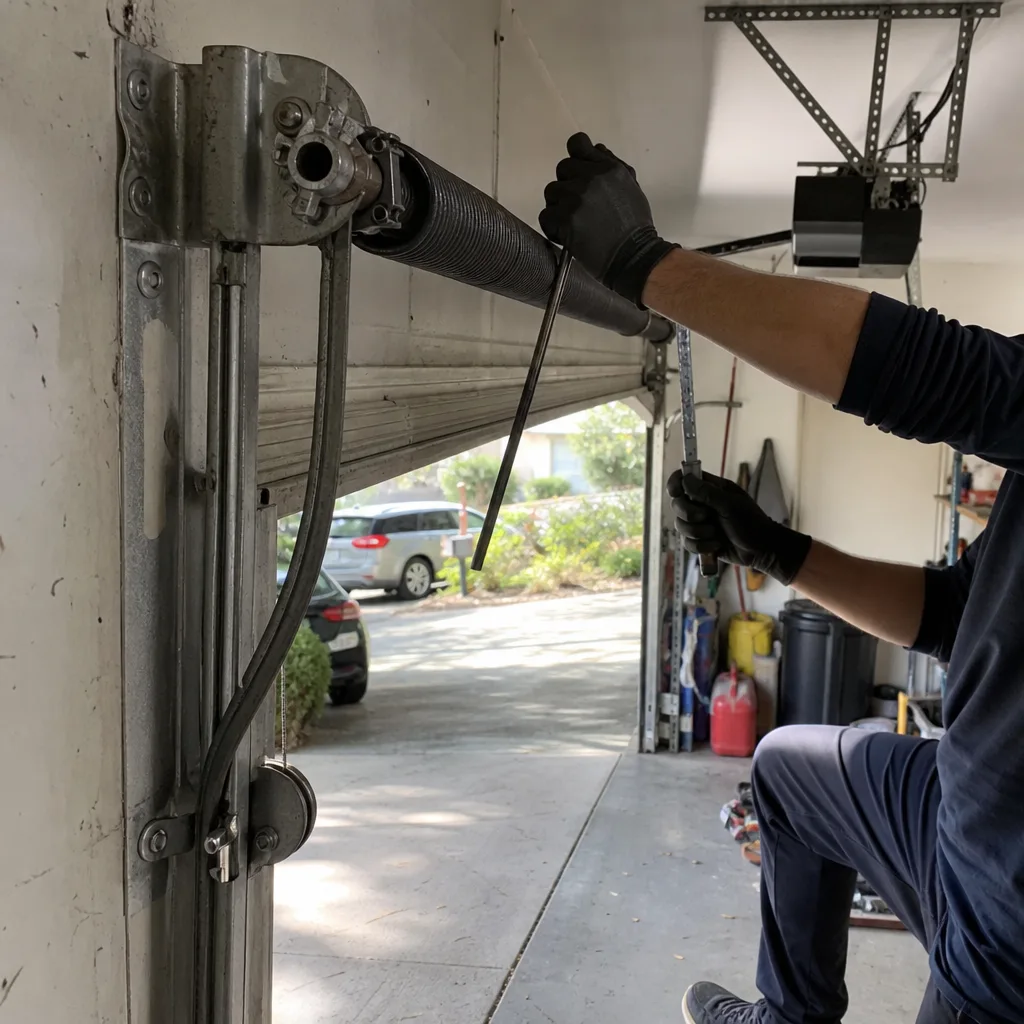 Before
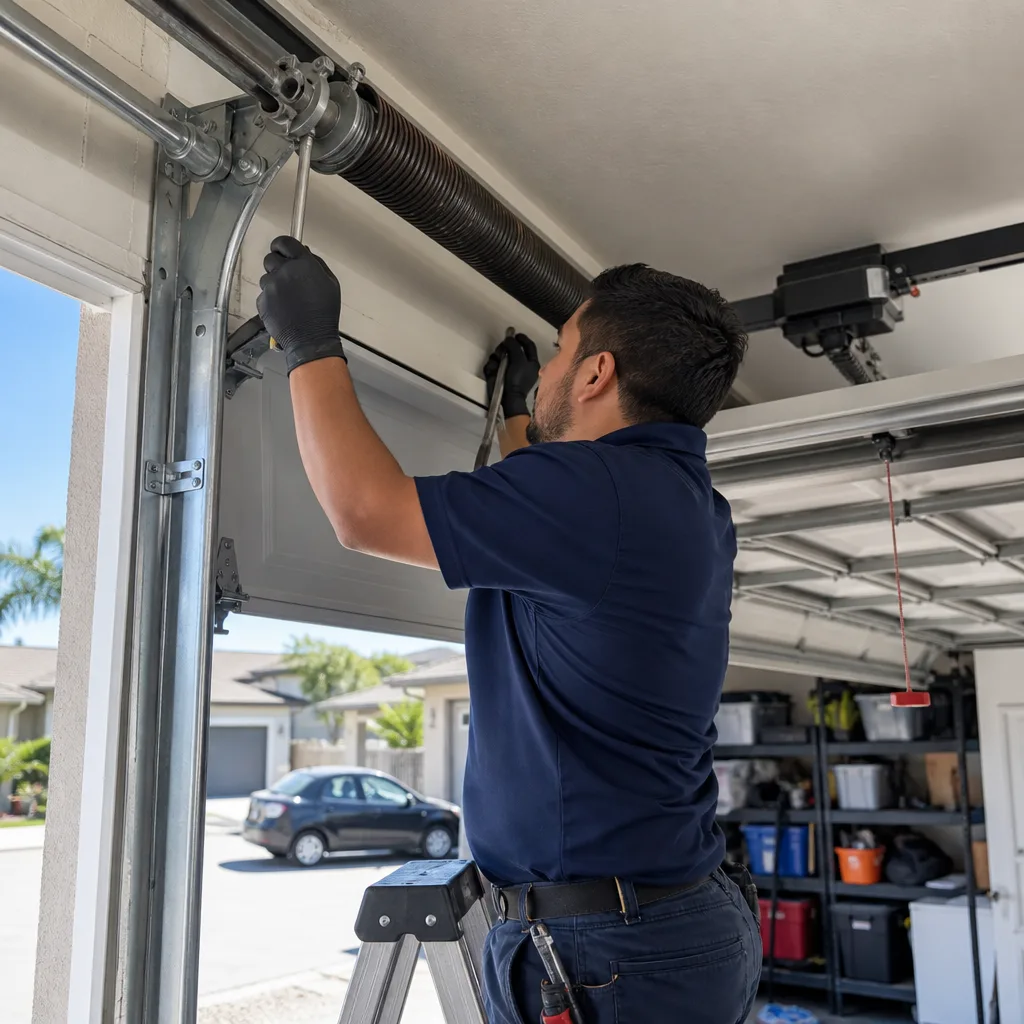 After
AfterGarage Door Permits, Codes & Inspections in CA: What You Need to Know
Here’s the thing nobody tells you at the big-box store: a garage door replacement can trigger a building permit in California, and skipping that permit can come back to haunt you at the worst possible moment. We’ve seen it happen in Escondido. A homeowner on Felicita Road swapped out an old wood tilt-up door for a modern sectional in 2023, never pulled a permit, and got flagged during escrow. Fixing it retroactively cost three weeks and about $2,100, where doing it right upfront would have cost under $200. This guide covers exactly when California code requires a permit, what Escondido tacks on top of that, and how to stay out of trouble without losing your mind or your closing date. For more guides & resources, see our blog.
Quick Answer
Most garage door replacements in California do not require a permit when you’re swapping an existing door for a new one of the same size without touching the structure. But you do need a permit (and likely an inspection) when the opening changes size, the header or framing is altered, the garage shares a wall with living space and requires a fire-rated assembly, or your local jurisdiction in Escondido requires one for any door with a new motor. When in doubt, call Escondido’s building department on Valley Parkway before you start, because the cost of asking is zero and the cost of guessing wrong can run into the thousands.
Table of Contents
- Why Garage Door Permits Trip Up Smart Homeowners
- What California Building Code Actually Says
- Escondido’s Local Requirements: Beyond the State Baseline
- Title 24 Energy Compliance and Your Door’s R-Value
- The Fire-Rated Door: When a Permit Becomes a Life-Safety Issue
- How to Fix Unpermitted Work: The Retroactive Permit Process
- What Permits Cost and How Long They Take in Escondido
- Common Mistakes to Avoid
- When to Call a Professional
- Frequently Asked Questions
Why Garage Door Permits Trip Up Smart Homeowners
The average homeowner assumes permits are for additions, new builds, or major remodels. A garage door is just a big moving wall, right? Not exactly. The California Building Code (CBC) treats a garage door as part of the building envelope, and the garage itself sits in a weird regulatory corner: it’s a non-conditioned space that often abuts conditioned living area, contains vehicles with fuel, and has to resist wind, seismic movement, and fire spread. That means a door swap can trigger code requirements that have nothing to do with the door itself and everything to do with the opening it sits in.
We’ve stood at the counter of Escondido’s Building Division on Valley Parkway and watched homeowners learn for the first time that their “simple swap” needs a permit because the rough opening changed by four inches. It’s not anyone being difficult. It’s the code reflecting real structural and safety concerns: a wider opening changes load paths across the header, and a door that no longer matches its fire rating can turn a garage fire into a house fire inside five minutes. The permit is not bureaucracy for its own sake, it is the paper trail that says someone checked that your new six-foot-ten-inch opening is not quietly degrading the wall above it.
What California Building Code Actually Says
The statewide code, which every city including Escondido adopts with or without local amendments, is the baseline. Here is what it says in plain English.
The CBC does not require a permit for ordinary repair or replacement of a garage door when the new door fits the existing opening, uses the existing framing, and does not alter the fire rating of the wall assembly. For a deeper look at keeping your door in good shape, see our Garage Door Repair Maintenance Checklist for Escondido Homeowners. That’s the good news. The moment you change any of those conditions, the work moves from “maintenance” to “alteration,” and an alteration requires a permit.
The specific triggers in California that turn a simple swap into a permitted project are:
- Changing the size of the door opening. Widening or heightening an opening means cutting framing, which changes the header span, which changes structural load paths. That’s a permit and an inspection, no exceptions.
- Touching the structural header. If your new door needs a taller header or a new beam, you’re doing structural work. The engineer or building official needs to sign off.
- Framing a new opening where none existed. Cutting a new hole in a wall is a structural alteration, full stop.
- Altering a fire-rated assembly. In an attached garage, the wall between garage and living space has a fire-resistance rating. If the new door changes how that wall performs, you need a permit, and you need it done right.
- Installing a door with a different bracing or anchoring requirement. Seismic ties and wind-resistance hardware are part of the permitting conversation in California, especially east of Escondido where wind and chaparral fire zones overlap.
There’s also the electrical side. Connecting a new garage door opener to the grid means new wiring or a new circuit in some cases. The electrical permit is separate from the building permit, but it’s part of the same project.
Here’s the nuance that matters: a permit triggered by structural work means the permit is for the opening, not just the door. The inspector will look at the header, the king and trimmer studs, the anchor bolts, the hold-down hardware, and the door’s attachment to that framing. The door itself gets inspected too, but as part of the assembly.
Escondido’s Local Requirements: Beyond the State Baseline
Escondido has its own version of the California Building Code, adopted with local amendments, and the city processes permits through its Building Division at 201 North Broadway, not the Valley Parkway counter some people remember. (The Community Development Department serves residents at City Hall on Broadway.) The local amendments are not dramatic, but they matter.
Escondido requires a permit for any garage door project that involves structural changes, which mirrors the state code. But the city also requires a permit for certain door installations that other municipalities treat as pure maintenance. In our experience, the local plan reviewer looks specifically at the connection between the garage and the living space: is there a fire-rated door between the garage and the house interior, and does the new garage door preserve or change that fire separation? Watch for these issues early - our Garage Door Warning Signs: A Escondido Homeowner’s Reference Guide covers what to spot before they become permit problems. Escondido has a significant stock of homes built between 1950 and 1985 - neighborhoods like the ones around Broadway north of downtown - where the original garage door was a wood tilt-up with no insulation and a back-of-garage door that’s a hollow-core interior door. That setup no longer meets code, and replacing the garage door is exactly when the city will flag it.
Here’s the Escondido process, step by step, for a permitted garage door project:
- Fill out the building permit application. You’ll need your parcel number (APN), a scope of work description, the door dimensions, and the manufacturer’s product data sheet if you have it.
- Bring a simple drawing or site plan. For most residential door replacements, a one-page sketch showing the garage wall, the door location, and the nearest interior door to the house is enough.
- Submit at the Building Division. Escondido accepts in-person submittals at City Hall. The plan reviewer will tell you within a few days whether you need anything else.
- Pay the permit fee. Fees are based on the project valuation. A straightforward door replacement permit in Escondido runs $150 to $350 depending on whether structural review is required.
- Schedule your first inspection after rough work is done. If you’ve altered framing, the inspector wants to see the header and anchors before the door is fully installed but after the rough framing is complete.
- Pass the final inspection. The inspector verifies the door operates correctly, the fire separation is intact, the opener is properly mounted, and the safety reversing sensors work.
If this sounds like a lot, it’s because the city is trying to make sure the house you sell in ten years is still safe and insurable. The process is manageable. What is not manageable is discovering at resale that you skipped it.
Title 24 Energy Compliance and Your Door’s R-Value
Title 24, Part 6 of the California Code of Regulations, is the state’s energy efficiency standard. It applies to new construction and to certain alterations, and it has something to say about garage doors, especially in climate zones like Escondido’s, which is hotter and drier than the coastal side of San Diego County.
Here’s the practical impact: if your project is already permitted because of structural work, the city may require the new door to meet Title 24 insulation requirements for the garage. That means an insulated door with a minimum R-value, which for steel and fiberglass sectional doors in this climate zone typically lands around R-6.5 to R-9. An uninsulated steel door is R-1 to R-2. A good insulated door from a manufacturer like Clopay or Amarr with a polyurethane core can hit R-12 to R-18.
Why does R-value matter more in Escondido than in, say, Carlsbad or Encinitas? Because the marine layer does not reach over the hills in the summer. Escondido routinely sees 90-plus-degree days from July into September, and your garage becomes a heat reservoir. An insulated door does two things: it keeps the garage from cooking everything stored in it, and it reduces the thermal load on the wall between the garage and the house. That wall is shared. When the garage is 110 degrees, the house’s air conditioner has to fight that heat through the common wall. An insulated door with a good R-value lowers that passive load, which is exactly why the state writes it into the code.
A quick reference for what to expect:
- Uninsulated steel door: R-1 to R-2. Meets minimum code only in the most basic scenarios. Not recommended in Escondido’s inland heat.
- Polystyrene-insulated door: R-4 to R-6. Better, but still thin for a west-facing garage in August.
- Polyurethane-injected door: R-8 to R-18 depending on thickness. This is what Title 24 effectively pushes you toward for permitted projects.
- Wood door: R-3 to R-6 unless specifically insulated. Wood also moves with humidity, which the dry Escondido heat does not favor.
When we quote a replacement door in Escondido, we tell people: get the insulated door. Not because it’s flashy, but because you’ll feel the difference on the first hundred-degree afternoon, and because it protects the resale value if the next buyer’s inspector pulls the permit history.
The Fire-Rated Door: When a Permit Becomes a Life-Safety Issue
There is one scenario where skipping a permit moves from a paperwork problem to a genuine life-safety risk: an attached garage with a door that opens directly into the house. The wall between the garage and living space is required by California code to have a fire separation, usually a one-hour fire-resistance rating in residential construction. That means the drywall must be a certain thickness, the door from garage to house must be solid-core or fire-rated, and the garage door itself is part of the assembly when it’s on that same wall plane.
Why does this matter? Because garage fires kill people every year. The average garage contains gasoline, propane, paint thinner, fertilizer, and a car with a full fuel tank. When a fire starts, the garage acts like an oven. In an attached garage, the fire has a direct pathway into the living space if the separation is compromised. A non-rated garage door on a shared wall can fail in minutes under fire conditions, and that turns a garage fire into a house fire before anyone in the bedrooms knows there’s a problem.
This is the one case where we tell Escondido homeowners: do not guess. If your house was built before 1990, the existing fire separation may already be marginal. If you are changing the garage door opening size or the door type on the fire-rated wall, or if you’re converting a carport to a garage, the city will want to see the fire assembly plan. And if you smell smoke in the garage, you do not go looking for the source. You get everyone out and call 911 from across the street. A door is 200 pounds riding on two springs. Respect it, and respect what’s on the other side of it.
How to Fix Unpermitted Work: The Retroactive Permit Process
If the work was done without a permit and you found out the hard way - usually during escrow, sometimes when an insurance adjuster asks questions - the fix is called a retroactive permit. It’s not as bad as it sounds, but it’s not free, and it’s not instant.
Here’s the retroactive permit process in Escondido, based on what we’ve seen homeowners go through:
- Acknowledge the situation. The homeowner or the contractor files a permit application with a note that the work is already complete and needs to be brought into compliance.
- Get a plan review. The Building Division will want to see what was done, so you’ll need the door specs, a description of the original condition, and often photos. The reviewer is looking for anything that can be verified without opening walls.
- Prepare for an inspection. The inspector will come out and verify what they can see: door operation, safety sensors, fire separation if visible, structural anchors if accessible. What they cannot see, they may ask you to expose.
- Correct deficiencies. This is where the cost piles up. If the header is undersized, it has to be fixed. If the fire separation is wrong, you may be opening that wall after all. Opening the wall and rebuilding a compliant assembly on a retroactive basis is how that $2,100 total on Felicita Road happened.
- Pay the fees. Retroactive permits typically cost the same as the original permit, sometimes with a small penalty. The bigger cost is the corrective work.
- Get the final sign-off. Once the inspector signs off, you have a paper record that the work is code-compliant, and that’s what escrow needs to move forward.
The timeline is usually two to four weeks in Escondido for a straightforward retroactive permit, assuming no major corrective work. If framing has to be redone, add another week or two. If you’re in escrow, that timeline can blow a closing date, which is why the smart move is to pull the permit before the work starts, even if it feels like friction at the time.
What Permits Cost and How Long They Take in Escondido
Straight numbers, because that’s what you need.
A simple garage door replacement permit in Escondido - no structural changes, no fire-rating complications - typically costs $150 to $350. The permit fee is based on the project valuation, and most straightforward door swaps land in that range. If structural review is required, add $200 to $500 for plan review, and if an engineer needs to stamp a header calc, that’s another $400 to $800 on top. The retroactive permit is generally the same fee as the original, so the cost comes not from the permit itself but from whatever corrective work the inspector flags.
Timeline: a plain replacement permit often gets same-day or next-day approval in Escondido if the submittal is complete and no structural review is required. A project with structural changes takes one to two weeks for plan review, then inspection scheduling within a few days after that. The slowest part is usually not the city; it’s waiting for the door itself if it’s a custom size or a special-order finish.
So the total cost of doing it right, permitted and inspected, runs roughly $300 to $900 depending on complexity - and that’s before the door and labor. The cost of doing it wrong can be ten times that at resale. We’ve seen the math too many times to pretend otherwise. If you’re thinking about a new door, our advice is to ask the permit question before you spend a dollar on the door itself.
Common Mistakes to Avoid
- Assuming “replacement” means “no permit.” Replacement of the same size in the same opening is usually exempt, but as soon as you touch framing, you’re in permitted territory. The assumption is the expensive mistake.
- Enlarging the opening for a bigger vehicle without telling the city. Lifting a truck in Escondido is common. Widening the door to fit it changes the header load, and an unpermitted header can fail slowly over years before it becomes obvious.
- Ignoring the fire-rated door between garage and house. If your interior door from garage to house is hollow-core, your home is already out of compliance. Replacing the garage door is when a sharp inspector will flag it.
- Skipping the opener’s electrical permit. A new circuit or new wiring for an opener is electrical work, and electrical work requires a permit in Escondido. It’s a separate line item, and inspectors do look for it.
- Buying the cheapest door that meets “minimum” standards. In Escondido’s inland heat, an uninsulated door means a hotter garage, a harder-working AC, and a potential Title 24 compliance issue if the project is already permitted.
- Waiting until escrow to find out. By the time the buyer’s inspector pulls the permit history, fix-it costs are measured in weeks and thousands, not hundreds. Pulling the permit upfront is the cheapest insurance you’ll ever buy on a door.
When to Call a Professional
If your project involves changing the opening size, touching the header, or any work on a fire-rated assembly, this is not the time to learn framing from a video. The forces involved are real, and the consequences of an error are permanent. Same goes for springs and cables: a door is 200 pounds riding on two springs, and high-tension springs have hurt plenty of experienced mechanics. We do not recommend DIY spring work, period.
If you’re in Escondido and want someone to look at your door, tell you straight whether a permit is required, and quote you a number that won’t change between the phone and the driveway, call Otto’s Garage Door at (760) 313-7785. Free estimates, and we’ll tell you the truth even if the truth is that you don’t need us.
For more on how we handle repairs in the area, see our Garage Door Repair in Escondido page. If you’re thinking about a full replacement, our Garage Door Installation in Escondido guide walks through what that actually involves. And if your opener is part of the equation, Garage Door Opener in Escondido covers the electrical side in more detail. You can also head back to the Otto’s Garage Door home page to see everything we do.
Frequently Asked Questions
In most cases, no permit is required to replace a garage door with a new one of the same size in an existing opening, as long as you don’t alter framing, the fire-rated assembly, or the electrical wiring. A permit is required in California when the opening size changes, the header or structural framing is altered, a new opening is created, or a fire-rated wall between the garage and living space is affected. If you’re not sure, call your local building department - in Escondido, that’s the Building Division at City Hall.
For a quick read on whether your specific project will trigger a permit in Escondido, call us at (760) 313-7785 and we’ll tell you straight, no charge for the conversation.
A straightforward garage door replacement permit in Escondido typically costs between $150 and $350, based on the project valuation. If structural review or an engineer’s stamp is required, plan review fees can add $200 to $500, and engineering calc fees run another $400 to $800. The permit fee is the small part; the corrective work on an unpermitted install is what gets expensive. Call (760) 313-7785 for an exact quote on your project scope and we’ll help you budget the whole thing, not just the door.
You can file for a retroactive permit through Escondido’s Building Division, which involves a plan review, an inspection of the completed work, and corrective repairs if the inspector finds problems. The process typically takes two to four weeks in Escondido and costs from a few hundred dollars to several thousand if framing has to be opened and rebuilt. For a free second opinion on whether your existing door likely meets code, call (760) 313-7785 and we’ll take a look.
Title 24 energy standards can require an insulated garage door when the project is already permitted for structural work or new construction, pushing you toward R-6.5 to R-9 minimums in Escondido’s inland climate zone. Even when not required, an insulated door from a manufacturer like Clopay or Amarr with R-12 to R-18 is worth the cost in Escondido’s summer heat. Call (760) 313-7785 for a free estimate on an insulated door that actually meets the local requirements.
An attached garage must have a fire-rated separation from the living space, which means at minimum 5/8-inch drywall on the shared wall and a solid-core or fire-rated door between the garage and house. If the door from the garage to the house is hollow-core, or if the drywall is 1/2-inch, the assembly likely doesn’t meet code. In Escondido, we’ve helped homeowners verify this on houses built from 1950 through the 1980s, where the original assemblies often fall short. Call (760) 313-7785 and we’ll check it when we come out for the estimate.
A carport-to-garage conversion requires a permit in Escondido because it involves new wall framing, a new door opening, likely new electrical, and a new fire separation if the garage is attached. This is a structural and life-safety project, not a handyman weekend job. Get the permit first, have the city inspect the work, and avoid the retroactive-permit mess at resale. Call (760) 313-7785 and we’ll walk you through what the city will ask for and what the project should cost before you commit.
The Bottom Line
A garage door permit in California is cheap insurance against an expensive problem, and in Escondido the rules are not mysterious if you ask the right questions early. Replacing a door in an existing opening usually requires no permit, but change the opening, touch the header, alter a fire-rated wall, or add new electrical, and you’ve crossed into permitted territory. The permit costs $150 to $350; the unpermitted fix at resale can cost ten times that. If you’re not sure where your project lands, ask. Otto’s Garage Door has been answering that question in Escondido since 2004, always with the same promise: the price quoted on the phone is the price on the invoice, and if it’s not done right in 90 days, one call brings Otto back. Call (760) 313-7785 for a free estimate.
Written by Otto Reinhardt, Owner at Otto’s Garage Door, serving Escondido since 2004.