
Last updated September 10, 2026
Full 25-point door and opener safety check with every visit - springs, cables, rollers, tracks, and your LiftMaster or Chamberlain opener included
You get a price before we start. It does not change when the truck arrives.
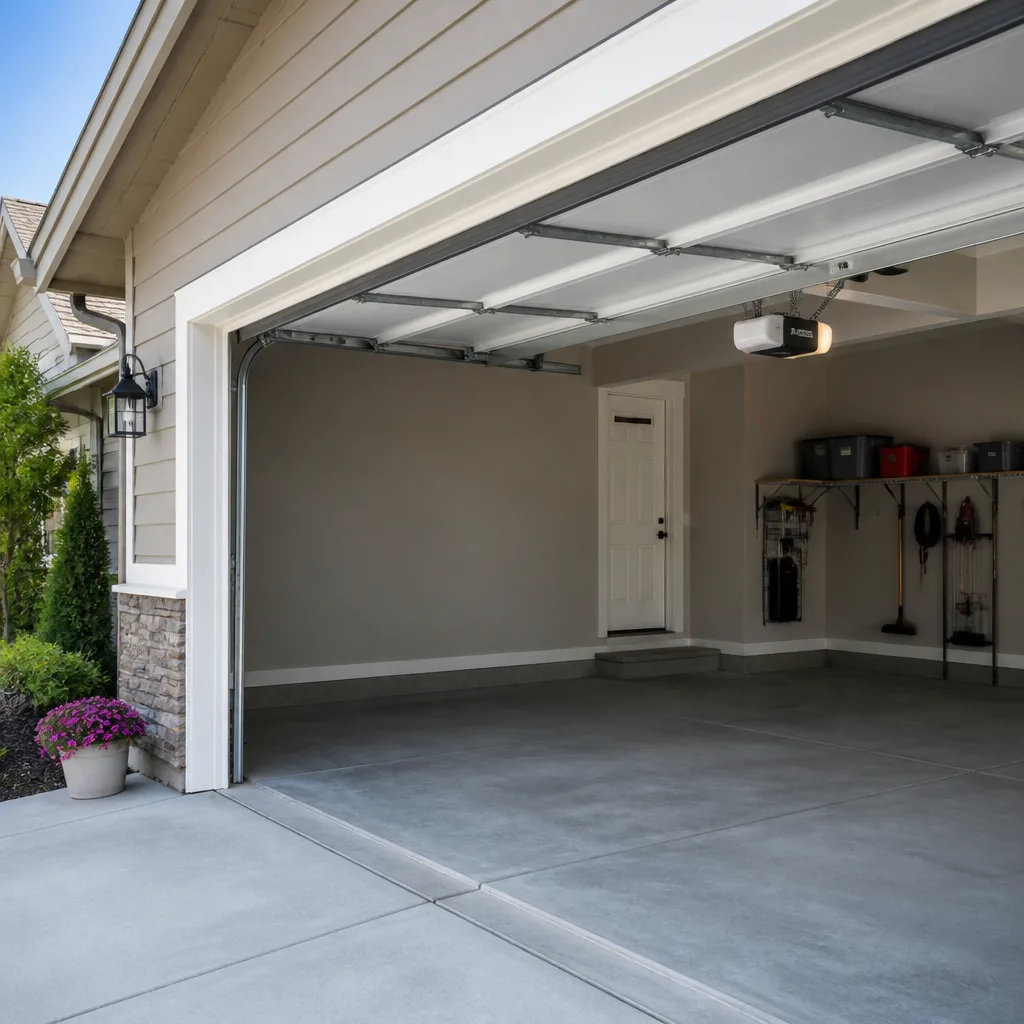
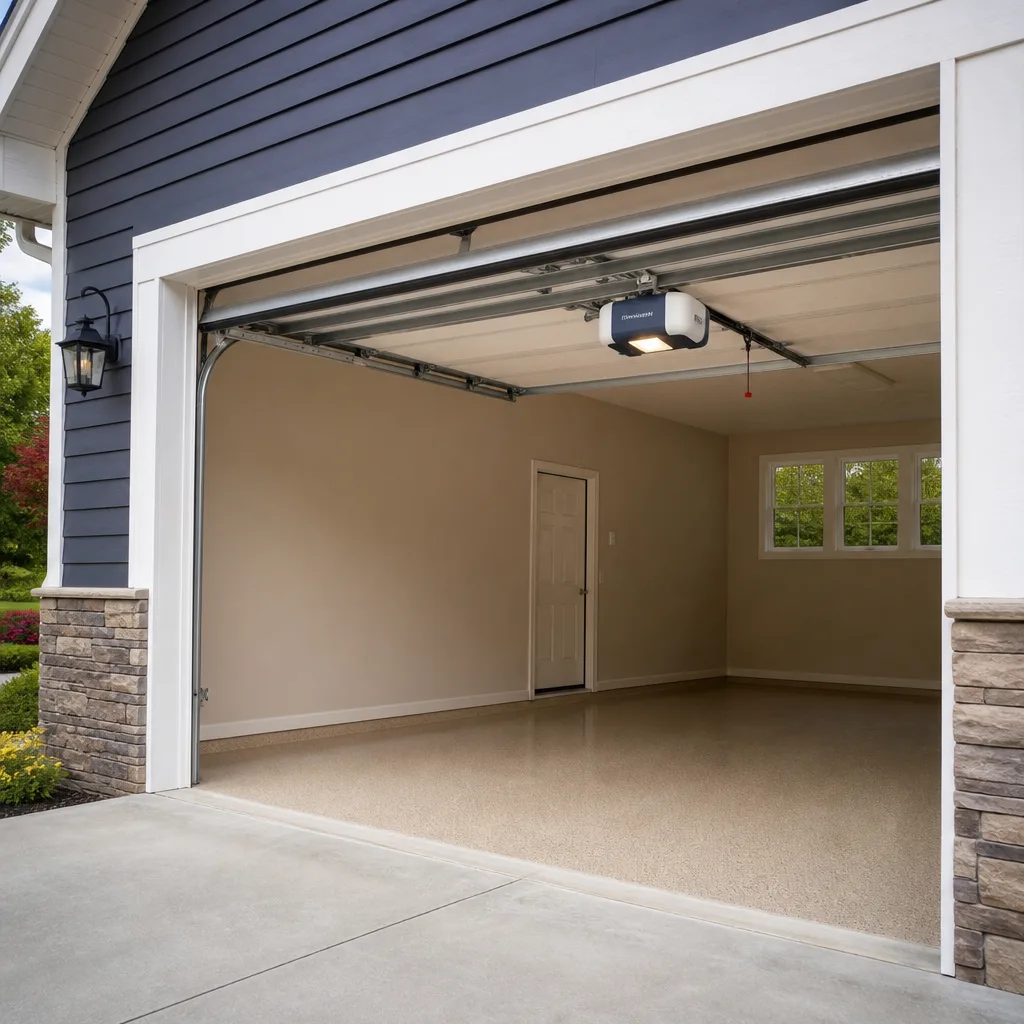
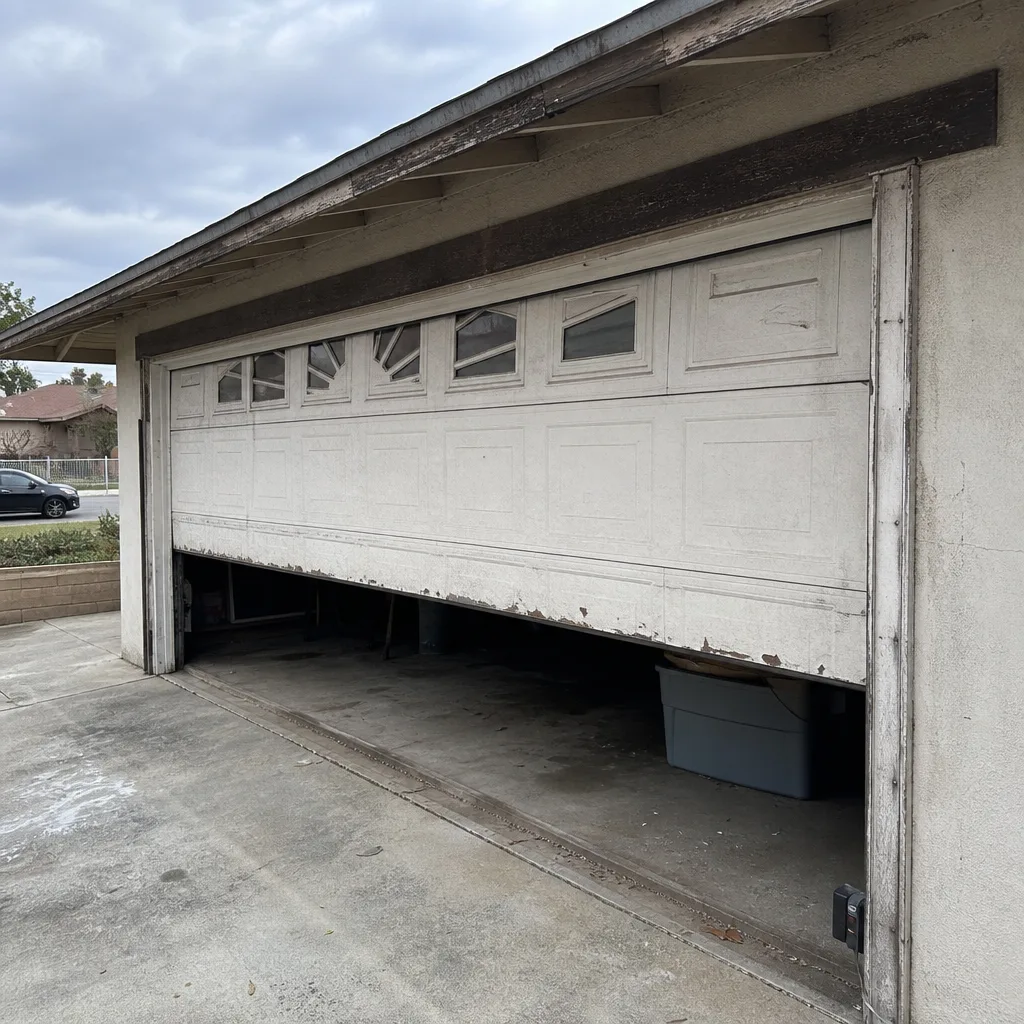 Before
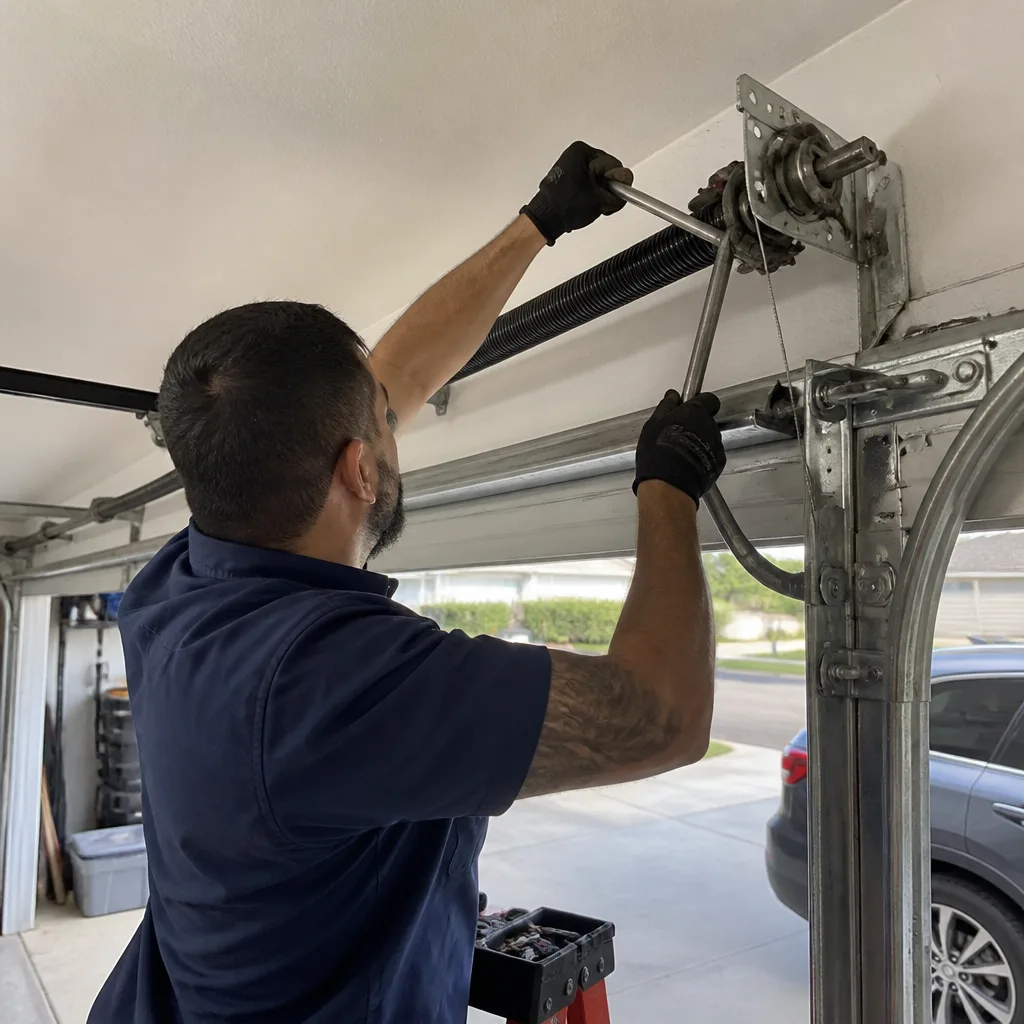 After
After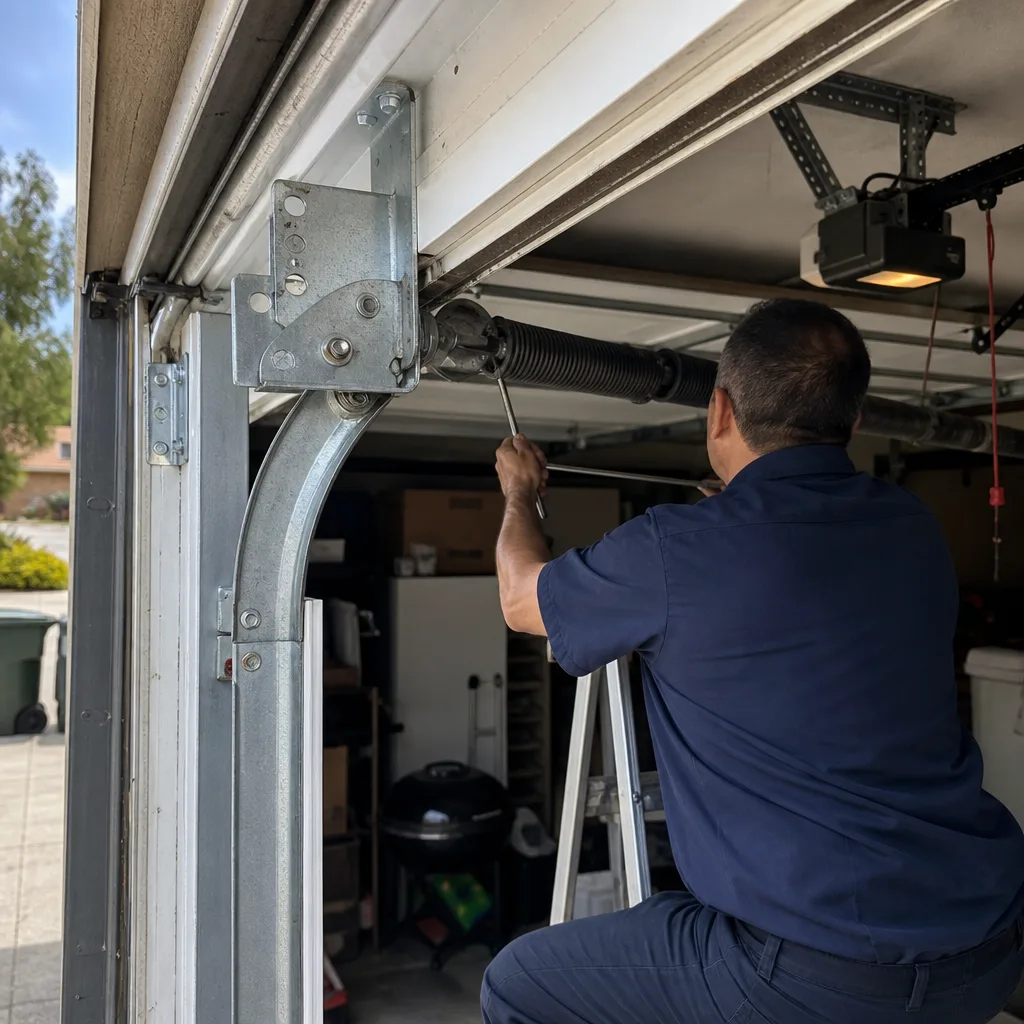 Before
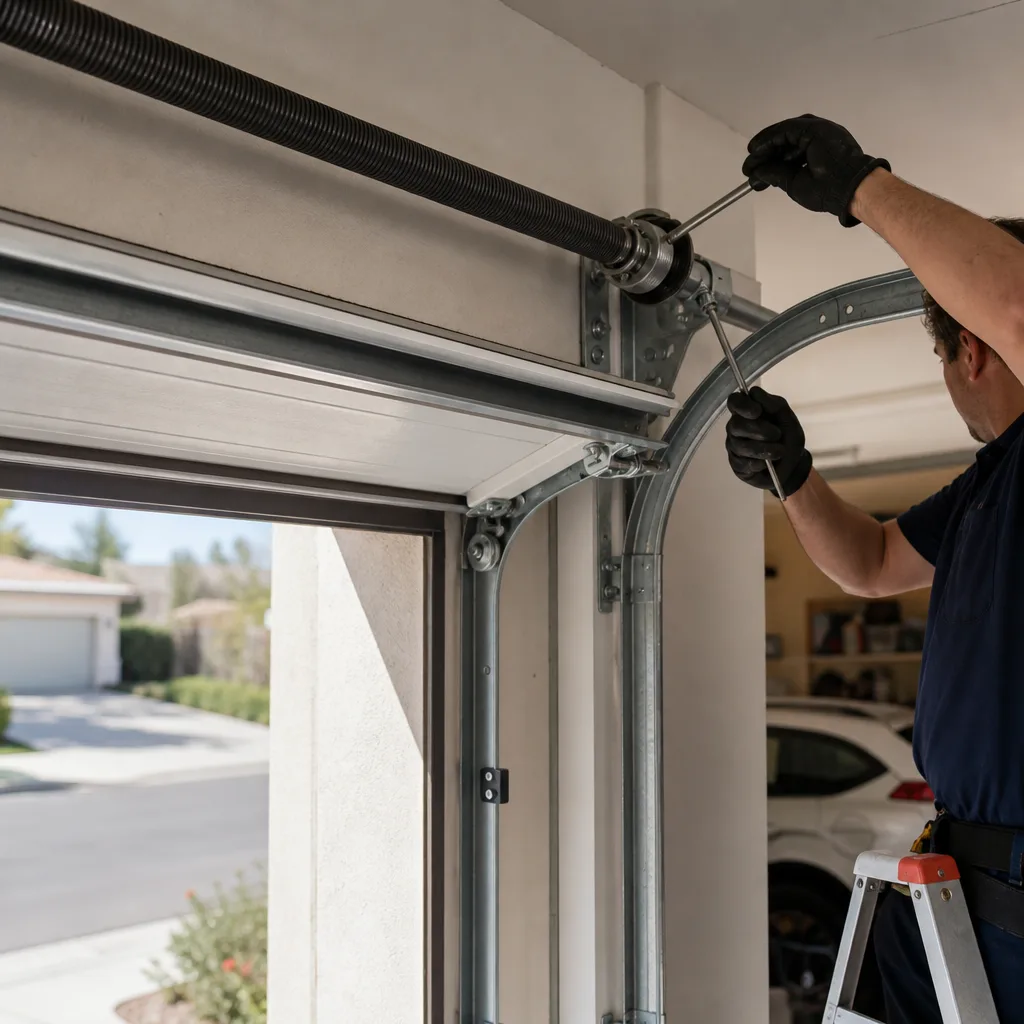 After
After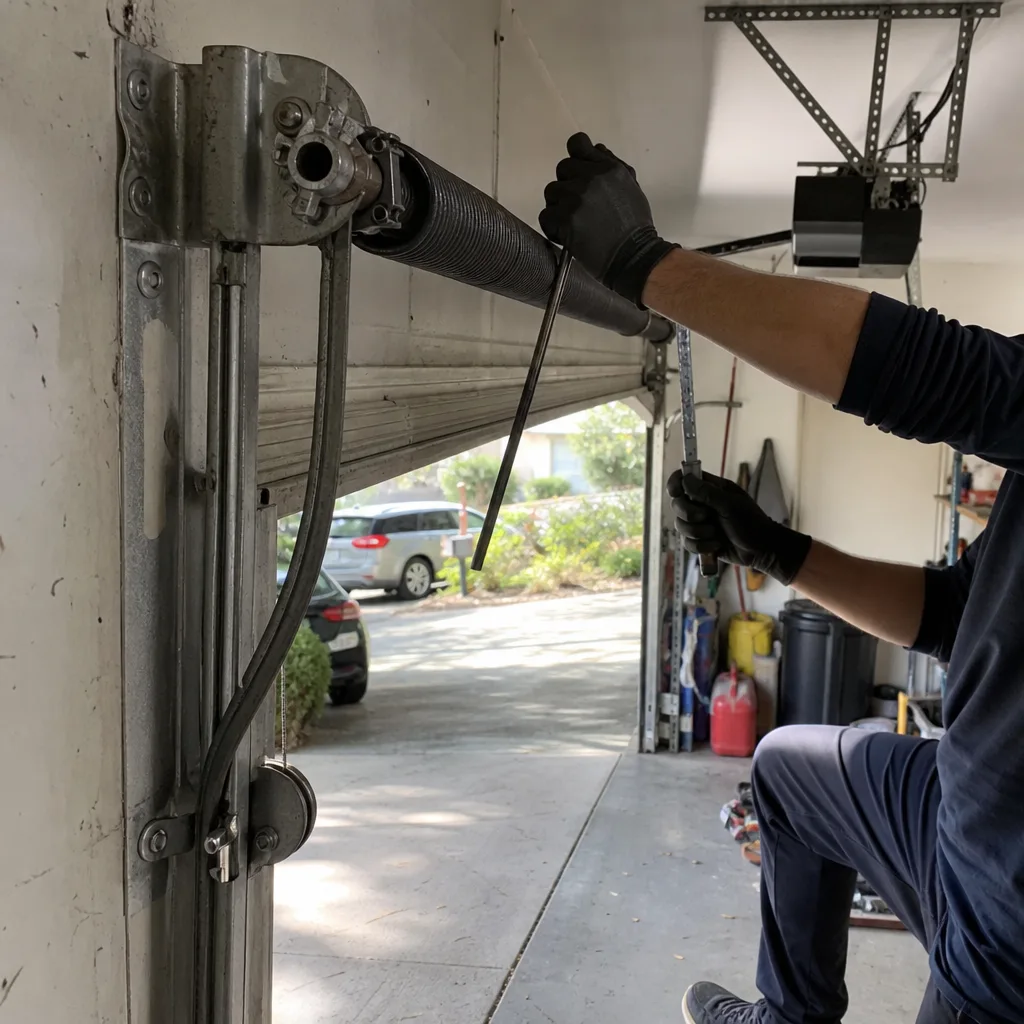 Before
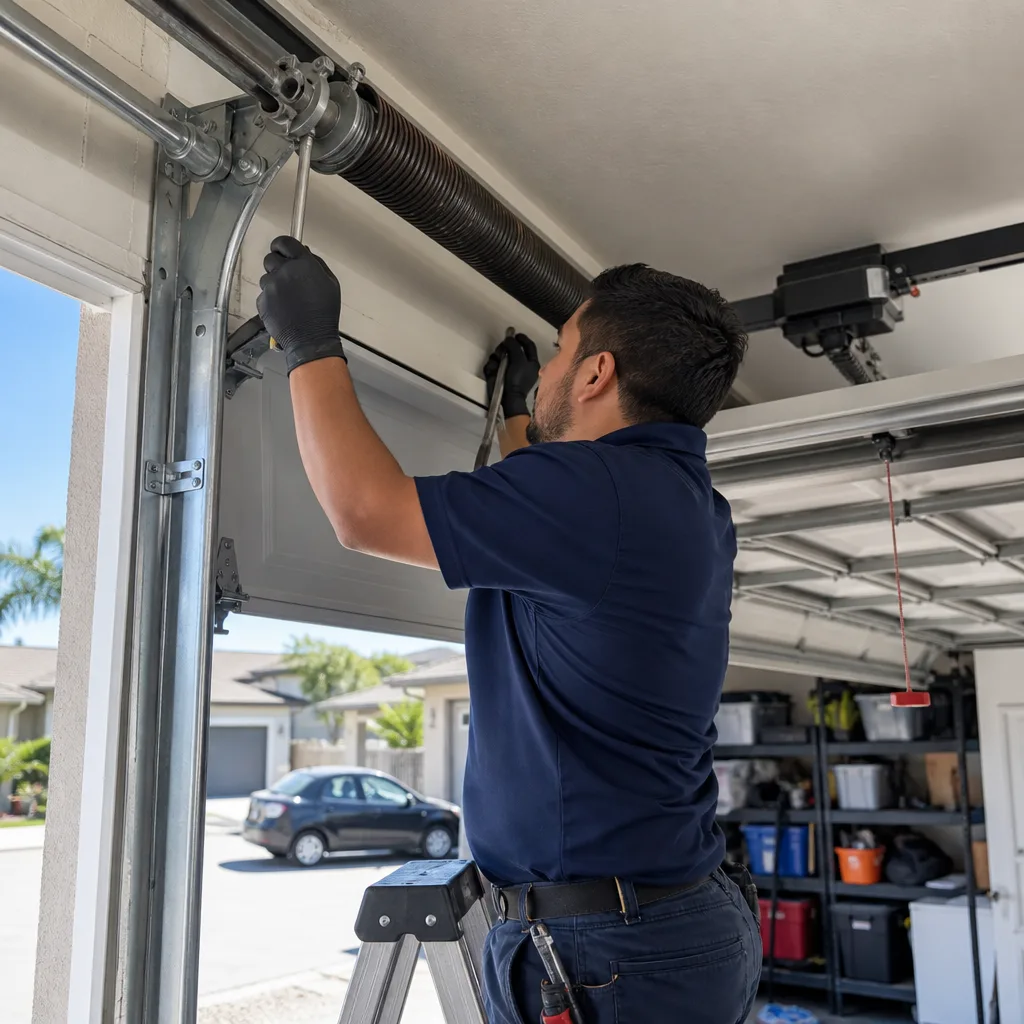 After
AfterThe Complete Guide to Garage Door in Escondido
Escondido sits at roughly 1,500 feet in some neighborhoods and under 700 in others. That 800-foot swing changes which springs hold up, which lubricants actually work, and which door materials warp first, and almost nobody talks about it. What follows is the guide I wish every homeowner in Escondido had before they spent a dollar on a garage door, whether it’s a 1978 ranch in South Escondido or a 2019 build up in Harmony Grove. You’ll learn how your specific elevation zone affects your door, what the city permit office on Valley Parkway actually requires, how to read your door’s data plate like a pro, and when to pick up the phone instead of the toolbox.
We’ve fixed, installed, and rebuilt doors in every corner of this city since 2004, and the patterns don’t lie: Escondido doors fail differently than doors in Carlsbad, San Marcos, or Poway. The heat is drier, the wind gusts harder through the Hidden Trails ridgelines, and the temperature drops faster after sundown. Your door feels all of it.
Quick Answer
In Escondido, a garage door should be tuned, lubricated, and inspected every 12 months, spring replacement runs $290 to $480 for a standard 7-foot door depending on your elevation zone and spring cycle rating, and a full door replacement costs $1,400 to $3,800 including permit-ready installation. The single most important thing you can do today is read the data plate on your door and write down the model number, date code, and spring cycle rating because that information determines every repair decision that follows.
Table of Contents
- Why Escondido’s Elevation Zones Change Your Garage Door
- Santa Ana Winds and What They Do to Panels and Springs
- Old Ranches vs. New Builds: What Works Where
- The Permit Office on Valley Parkway: What Actually Triggers an Inspection
- The Honest Lifespan of Steel, Wood, Aluminum, and Fiberglass in Escondido
- How to Read Your Door’s Data Plate and Shop Smarter
- Common Mistakes to Avoid
- When to Call a Professional
- Frequently Asked Questions
- The Bottom Line
Why Escondido’s Elevation Zones Change Your Garage Door
Here’s something you won’t find in a Phoenix or Seattle checklist: Escondido isn’t one climate, it’s three stacked on top of each other. The flats around Downtown Escondido and parts of South Escondido sit under 700 feet. The mid-bench neighborhoods along Felicita Road and parts of North Escondido hover around 1,000 to 1,200 feet. Then you’ve got the ridgeline communities like parts of Hidden Trails and the edges of Harmony Grove pushing 1,500 feet or more. Each zone wears out components at a different rate.
What the elevation actually does to your door:
- Heat cycles per day. Higher elevation means colder nights and faster temperature swings. Your torsion springs are rated for a specific number of cycles, roughly 10,000 for a standard spring. A door on a 1,400-foot ridgeline can cycle through more expansion and contraction in a single day than a door near Grape Day Park does in two. That shortens spring life by 15 to 25 percent in our experience.
- Lubricant behavior. Standard white lithium grease dries out faster in the low-humidity, high-UV zones up on the ridges. We use a heavier silicone-based lubricant on doors above 1,000 feet because it holds up to the UV exposure and doesn’t run off the hinges in summer heat.
- Opener torque requirements. Your opener’s pulling force doesn’t change, but the resistance it fights does. A door on a windy ridge with a poorly balanced spring forces the opener to work harder, and openers on higher-elevation properties in Escondido burn out motors 20 percent sooner when the spring isn’t right. When the spring is right, the opener barely works at all.
- Panel expansion. Steel panels expand in full sun. Your door was designed for that. But at elevation, the hotter afternoon sun and the faster evening cool-down mean more expansion and more contraction per day. Cheap thin-gauge steel panels develop oil-canning, that visible wavy distortion, faster up here than they do in the flats.
If you live above 1,000 feet in Escondido, don’t buy the cheapest spring rating. Step up to a higher cycle count. It costs about $40 more per spring and it’s the difference between five years and eight years before the next replacement. If you want specifics for your neighborhood, our Garage Door Repair in Escondido page breaks down exactly what we see in each zone.
Santa Ana Winds and What They Do to Panels and Springs
In Escondido, the Santa Ana season usually runs from September through January, and it’s not just a fire weather problem. It’s a garage door problem. I’ve replaced more twisted panels in November than any other month, and the cause is almost always the same: gusting wind against a door that was already slightly out of balance.
Here’s what the wind physically does, step by step:
- Gusts hit the face of the door and push it inward, loading the hinges and the horizontal tracks.
- If the spring tension is even slightly low, the door doesn’t hold its position against the wind pressure. It flexes.
- That flexing works the panel seams back and forth like a hinge on a screen door in a storm. The screws loosen, the panels rub, and the edge seals start peeling.
- On a door with broken or weak springs, one strong gust can actually bow a steel panel or crack a wood panel outright. I’ve seen doors pushed off their tracks entirely up in the wind-exposed parts of Hidden Trails.
What actually protects against wind damage in Escondido:
- Spring tension checked before Santa Ana season. If the springs hold the door balanced, the door doesn’t flex. This is the single biggest wind defense available, and it costs less than a visit to a specialist.
- Struts or stiffeners. On a 16-foot wide door, a horizontal strut across the top panel adds significant rigidity against gusts. Most doors do not come with enough of them from the factory. We add them for about a third of what a panel replacement costs.
- Tight track brackets. Wind transfers pressure to the tracks. If your track brackets have loosened over the years from normal vibration, a wind event finds every weak point. Tightening and checking them takes minutes.
- Weather seal replacement. The rubber seal along the bottom and the side jambs wears out after about three to five years in Escondido’s UV. A worn seal doesn’t just let leaves in, it lets the wind get behind the weatherstrip and flutter it until it tears.
We schedule most of our pre-September tune-ups for the wind-exposed neighborhoods, and we’ve learned that a service call in August costs a homeowner far less than a panel replacement in November. Our Otto’s Garage Door home page has more on how we work, including the fact that the name on the van is the name on the license.
Old Ranches vs. New Builds: What Works Where
Escondido’s housing stock is split into two distinct generations with completely different doors. The 1960s and 1970s ranch homes in South Escondido and the older neighborhoods near downtown were mostly built with 8 x 7-foot or 16 x 7-foot wooden overhead doors. The 2000s and 2010s tracts in Harmony Grove, Hidden Trails, and the newer parts of North Escondido went up with lightweight steel sectional doors, often 16 x 7 or 18 x 8, with belt-drive openers as standard.
What we see on the old ranches in Escondido:
- The original wood doors are heavy. A solid fir 16-footer can weigh 300 pounds or more. That means the springs work harder, and the opener, if there is one, was likely added decades after the house was built.
- Many of these older homes still have extension springs rather than torsion springs, especially if the door is original. Extension springs are the ones that stretch along the horizontal tracks on both sides. They fail by snapping and flying when a safety cable isn’t present.
- The openers, if they exist, are often underpowered chain-drive units that were not sized for a 300-pound door. The motor screams, the door jerks, and the gears grind.
- Track rust is real, especially in the coastal-influenced neighborhoods of West Escondido where you still get some marine layer mixing in with the heat.
What we see on the new builds in Escondido:
- The doors are lighter, often insulated steel, which is fine. However, the builders install the cheapest opener they can source in bulk, and many of those openers have plastic gears that strip after three to four years in Escondido’s heat.
- In parts of Harmony Grove and Hidden Trails, the newer streets sit at elevation and get full wind exposure. The doors installed by the builder have no added struts, and we see panel flex and spring fatigue earlier than the national average.
- Newer homes often have doors tied to smart-home systems, and those systems are not kind to homeowners who lose a Wi-Fi signal or change routers. We see more service calls for openers that lost their programming than for broken parts in these neighborhoods.
The point is that no two Escondido doors are the same. The ranch vintage needs weight management and probably a spring conversion. The new-build vintage needs better openers and more rigidity. Both live under the same sun, and both need a local set of eyes. If you’re considering a full replacement rather than patching the old hardware, see our Garage Door Installation in Escondido guide for what the process actually looks like from measure to finish.
The Permit Office on Valley Parkway: What Actually Triggers an Inspection
Most homeowners don’t think about the permit office until something goes wrong. In Escondido, the city’s development services and building permit functions run out of the office at 201 N. Broadway, just off Valley Parkway. For a homeowner swapping a garage door on an existing single-family residence, the rules are more forgiving than people fear, but there are clear triggers.
What you need to know, straight:
- Like-for-like replacement, same opening, same size: No permit is typically required if you’re replacing a door panel or a full door within the existing rough opening and you’re not altering the structure. You can call the building department to confirm, and a reputable contractor will know the current code before touching anything.
- Changing the opening size or adding a door where there wasn’t one: This triggers a permit, because you’re altering the wall framing and possibly the shear wall, which is a structural element. The city will send an inspector to look at the header, the anchorage, and the brace panel detailing.
- Electrical work on the opener: A new outlet for an opener, or added circuits, requires an electrical permit. If there’s already a dedicated outlet in the ceiling, replacing the opener itself does not require a permit in most residential cases.
- Seismic and wind requirements: The California Building Code sets wind resistance standards for garage doors in our region, and the city’s inspectors enforce them. That’s not bureaucratic, it’s an engineering reality in Santa Ana country. When you install a door, the anchoring and the panel gauge have to meet the current wind speed rating for this area.
- What we handle for you: When we install a door in Escondido, the permitting and inspection coordination is already part of the conversation from the first measure. No homeowner gets blindsided at the end by a piece of paper. That isn’t how we work.
How to check the specifics for your property, step by step:
- Call the city’s building division at (760) 313-7785 and tell them exactly what you’re replacing and whether the opening changes.
- Ask for a permit technician, not just a planner. The permit tech will tell you whether they need a drawing or whether it’s over-the-counter.
- Have your parcel number ready. It’s on your property tax bill, and it makes the call go faster.
- Ask whether your property has any overlay zones, historic district rules, or HOA restrictions that affect door materials or colors. Parts of old Escondido have specific design overlays.
- If they say a permit is required, get the fee and the inspection timeline in writing. Then call us with that paperwork and we’ll build it into the quote.
- Model number: This tells a repair tech exactly which door you have, which panels fit, and which obsolete parts the manufacturer no longer makes. Without it, we’re guessing from a photo.
- Date code or manufacture date: This tells you how old the door actually is, not how old the house is. In Escondido, many 1970s ranches still have their original doors, and we need to know if the springs are as old as the house.
- Spring cycle rating: Some plates list the spring IPPT rating (inch-pounds per turn). That number, combined with the door weight, tells us whether the springs are sized correctly for your elevation and usage. A spring that’s rated for 10,000 cycles will outlast one rated for 5,000 by years, even in Escondido’s temperature swings.
- Panel gauge and material: 24-gauge steel, 26-gauge, wood composite, aluminum, all of that is on the plate. It tells us what we’re working with before we order a single part.
- Wind load rating: Some doors list a design pressure or wind speed rating. In Santa Ana country, this matters. If your door was installed before 2000, it may not meet the current code wind load for our area.
- Open the garage door fully, let the light in.
- Look at the bottom section of the door panel on the left or right edge. The sticker is often there, near the hinges or the bottom bracket.
- If you don’t see it, check the vertical edge of the top panel or the interior face of the door near the handle.
- Snap a clear close-up with your phone, making sure the model number and date code are legible.
- Text or email it to us before the appointment. We come with the right parts on the truck.
- Spraying WD-40 on garage door rollers and hinges. WD-40 is a water displacer, not a lubricant, and in Escondido’s dry heat it evaporates fast and leaves a sticky film that collects grime from the Santa Ana dust. Use a proper silicone or white lithium grease on the moving parts, and avoid the track entirely.
- Replacing the opener when the spring is the problem. We’ve lost count of how many times a homeowner in Escondido has called us thinking they need a new opener, only to find the torsion spring had failed and the opener was working harder than it ever should. If the opener is straining, check the spring first.
- Ignoring a door that’s leaning or off-balance. A door that drifts to one side when you open it, or closes with a thud on one corner, is a spring or cable problem that gets worse. In Escondido’s wind season, an off-balance door will eventually slam or bind, and the repair goes from a $100 cable fix to a panel replacement.
- Buying a new door without checking the current opener’s horsepower. Most older ranch homes in South Escondido have openers that can’t lift a modern insulated steel door. Measure the door, check the opener’s specs, and ask the installer whether they match before you sign anything.
- Waiting until a spring snaps to replace springs. In Escondido, the temperature fluctuations mean springs fail suddenly, usually when the door is half open. If you know your springs are past their rated cycles because the data plate says 5,000 cycles and you’ve been here for 20 years, replace them on schedule, not on failure.
- Letting a handyman without garage door experience touch the springs. Torsion springs hold enormous stored energy. In Escondido we see at least one serious injury every year from a homeowner or an unqualified helper attempting a spring repair without the proper winding bars and training. A 200-pound door riding on two springs is not a DIY project.
- Not checking whether the company is local before you call. Escondido is full of national outfits that route calls through a call center in another state and send a subcontracted tech from Orange County. The name on the van should be the name on the license, not a rotating cast of day-labor contractors at a premium price.
This isn’t the fun part of a garage door project. But it’s the part that keeps your project from turning into a code correction later, and it’s why we never treat the permit office as an afterthought.
The Honest Lifespan of Steel, Wood, Aluminum, and Fiberglass in Escondido
Door manufacturers advertise lifespan in terms of “up to” years. In Escondido’s heat-and-dry climate, “up to” rarely happens. We’ve seen what actually happens to each material after a decade or more in this specific sun, and it’s not what the brochure says.
Steel
Realistic Escondido lifespan: 20 to 30 years with maintenance, 10 to 15 years for cheap builder-grade panels. Steel is the most common door in Escondido, and for good reason, it’s light enough for a standard opener, it accepts insulation, and it doesn’t rot. The failure point is the paint system. In our UV, the lower-priced steel doors fade on the south-facing exposures within three to five years, and once the paint is compromised, the underlying galvanizing starts to work. A quality 24-gauge or 26-gauge steel door with a baked-on finish and regular cleaning holds up well. A thin-gauge, cheap-paint steel door starts rusting at the seams in eight to ten years.
Wood
Realistic Escondido lifespan: 30 to 50 years for a well-maintained solid-core door, 15 to 20 years for a hollow-core or poorly sealed one. Wood doors are beautiful and heavy, and in Escondido’s dry climate they’re actually easier to maintain than they are at the coast, because you’re not fighting constant marine moisture. The enemy here is sun exposure on the finish. A west-facing wood door in South Escondido will require sanding and refinishing every three to five years or the top layer starts lifting and cracking. The sections themselves, if they’re solid and protected, can outlast any other material we install.
Aluminum
Realistic Escondido lifespan: 15 to 25 years, but with visible dents forever. Full-view aluminum doors are popular in the newer neighborhoods, especially in Harmony Grove, because they look modern. They resist corrosion well in our dry climate. The problem is that aluminum dents. A child’s bicycle, a wayward basketball, a gust-blown garbage can, all leave marks that don’t come out. In a city with real wind events, we recommend aluminum only for homeowners who want the look badly enough to live with the dents.
Fiberglass
Realistic Escondido lifespan: 20 to 30 years, with one major caveat. Fiberglass is the quiet workhorse. It doesn’t rust, it doesn’t rot, it doesn’t dent as easily as aluminum. In Escondido’s dry heat it does fine. The caveat is that it can crack under impact in cold weather, and we do get some winter mornings below freezing up in the higher elevations. Most buyers in Escondido skip fiberglass because steel is more available and more cost-effective for the same performance.
Amarr, Wayne Dalton, and Clopay all make models in each material category, and the manufacturer matters less than the grade within the manufacturer’s line. In our experience, a mid-grade Amarr steel door with the better paint package outperforms a budget Wayne Dalton door in Escondido’s sun, but a premium Raynor steel door will beat both. It comes down to panel gauge, paint system, and insulation, not the logo.
How to Read Your Door’s Data Plate and Shop Smarter
Before you ever call a contractor, before you ever take a quote, there’s a five-minute action that puts you ahead of 90 percent of homeowners. Walk out to your garage, look at the door panel sections near the bottom or along the edge of an end panel, and find the data plate. It’s a sticker or a riveted metal tag with model information, and it’s the most underused diagnostic tool in the garage.
Here’s what’s on it and why it matters:
Step-by-step, here’s how to photograph it for us before your first call:
This still surprises people: knowing the model number before the first call often cuts a full hour off the service visit. We spend that hour ordering the right part before we arrive instead of driving to a supplier mid-job. In a city with Escondido’s traffic on Valley Parkway or Centre City Parkway, that matters.
Common Mistakes to Avoid
When to Call a Professional
You should call a pro if your door makes a grinding noise when it opens, if it falls too fast when you close it by hand, if the springs show visible gaps or rust, or if the door has come off its tracks entirely. These are not adjustment issues, they’re safety issues. A broken torsion spring under full tension can release without warning, and a door that’s binding on its tracks can jump the rail and fall on a car or a person.
You should also call if you’ve never had the door inspected and it’s older than ten years, or if you’ve recently bought a home in Escondido and don’t know the door’s service history. Our approach is to send someone who knows the local climate, not a script. Otto’s Garage Door offers free estimates in Escondido, and that estimate is a real number, quoted on the call and held when we arrive. Call (760) 313-7785 and a live person answers. It might even be Otto.
Frequently Asked Questions
In Escondido, a standard 7-foot torsion spring replacement runs $290 to $480 per pair, depending on the spring’s cycle rating, your elevation zone, and whether the door requires a high-cycle upgrade. If you’re above 1,000 feet or your property sees heavy Santa Ana exposure, we recommend the high-cycle spring at about $40 more per spring, which extends lifespan by years. Call (760) 313-7785 for an exact quote based on your door’s weight and spring rating, estimates are free.
Yes, for repair issues like broken springs, snapped cables, off-track doors, and opener failures, we keep the truck stocked for same-day service in Escondido and the surrounding county, and a live person answers the phone 24/7. We’re not routing calls through a national line, we’re answering locally, and we know exactly how long it takes to get from our shop to your street on a weekday afternoon. Call (760) 313-7785 and we’ll tell you honestly when we can be there.
No. The price we quote on the phone is the price we honor when we arrive, unless you add work that we didn’t discuss. Some companies quote low on the phone and then “discover” new problems at the door, but with us the number is set before we step out of the truck. If we find something we didn’t know about, we show you, explain why, and you approve the new number before any work starts, written, no surprises.
For the vast majority of repairs, springs, cables, rollers, hinges, sensors, opener gears, and remotes, we carry them on the truck because we’ve spent 20 years learning exactly which parts Escondido doors need. If you send us a photo of your data plate before the visit, we can match the part to the model before we leave the shop. For specialty replacement panels or non-stock door models, we order with the exact manufacturer part number and schedule the second visit once it arrives.
Once a year is right for most Escondido homes. The dry heat, the dust, and the temperature swings mean lubrication breaks down, hinges loosen, and spring tension drifts more here than in coastal climates. An annual tune-up, with lubrication, hinge tightening, balance testing, and safety sensor adjustment, costs less than the repair it prevents. We also recommend a pre-Santa Ana check in August or September for homes at elevation or on wind-exposed streets.
We install and repair openers from LiftMaster, Chamberlain, Genie, Craftsman, and Raynor, and we service every major brand found on Escondido homes. The opener brand matters less than the horsepower rating and the drive type, and we’ll tell you honestly whether your current opener is right for your door or whether you’re paying for a motor that’s working too hard. See our Garage Door Opener in Escondido page for the full breakdown of what each brand actually costs to own.
The Bottom Line
Your garage door is the largest moving part of your Escondido home, and it’s carrying 200 pounds every time it cycles. In this specific city, with the elevation changes, the Santa Ana gusts, and the dry heat that eats lubricants and bakes paint, it needs a local set of eyes at least once a year. Read the data plate. Don’t ignore a noise or a drift. Never let anyone without garage door training touch the springs. And when the repair comes, get a written price before the work starts, from someone whose name is on the van and the license. That’s how we’ve operated since 2004, and it’s why your neighbors in Escondido keep calling us back.
Written by Otto Reinhardt, Owner at Otto’s Garage Door, serving Escondido since 2004.