
Full 25-point door and opener safety check with every visit - springs, cables, rollers, tracks, and your LiftMaster or Chamberlain opener included
You get a price before we start. It does not change when the truck arrives.
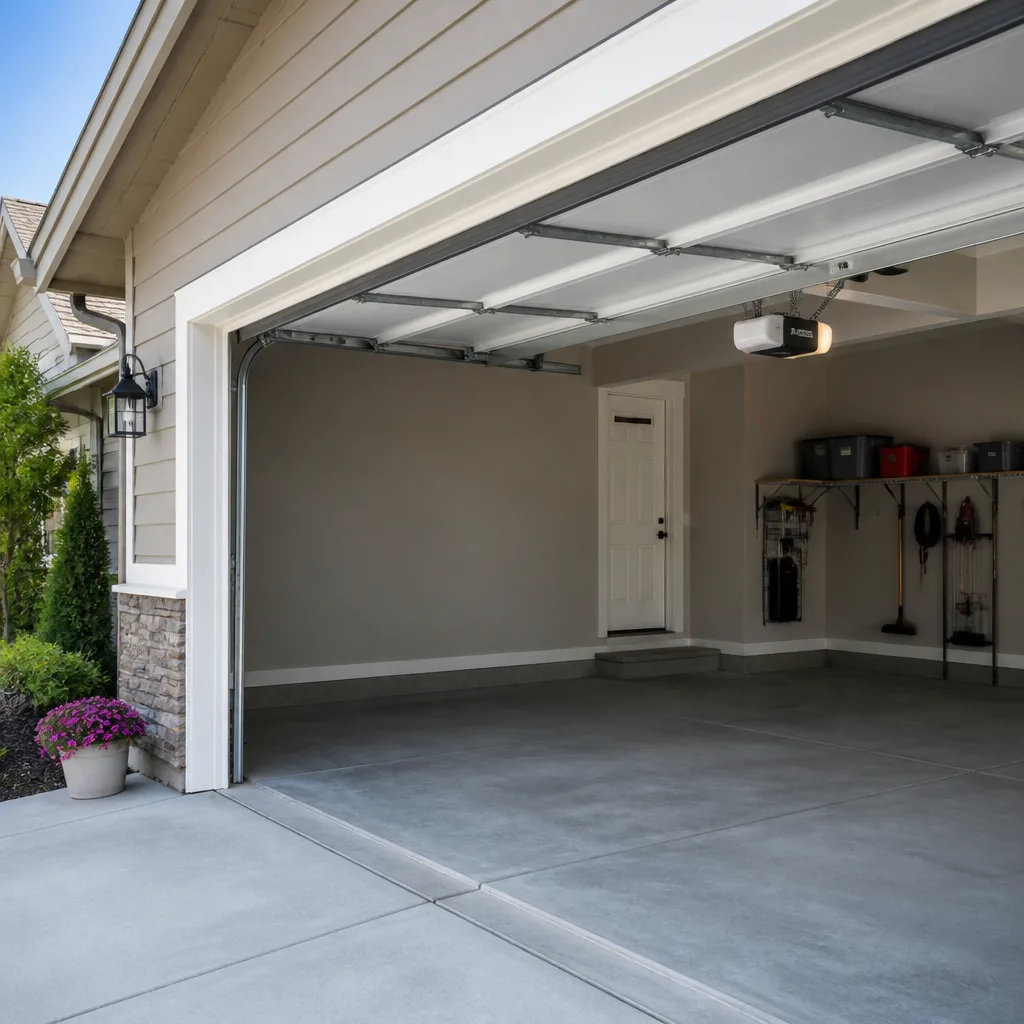
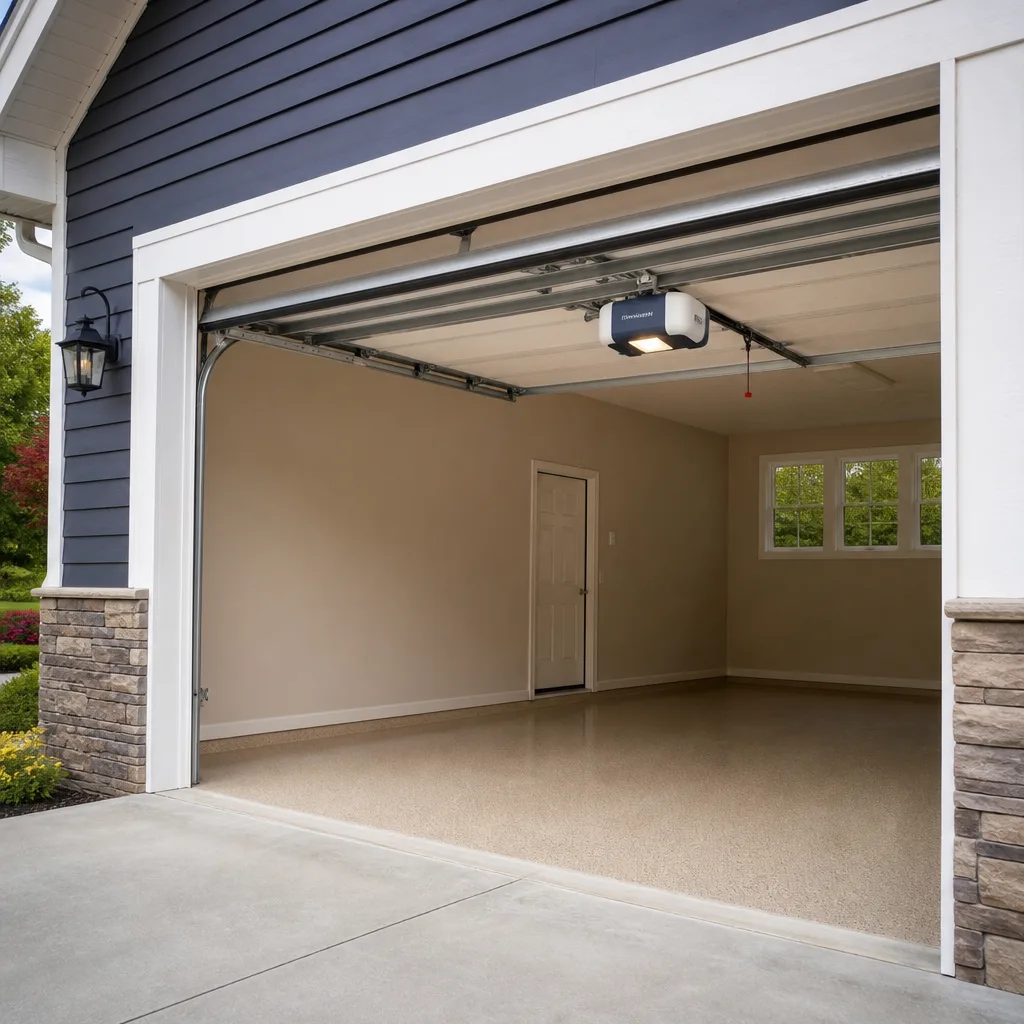
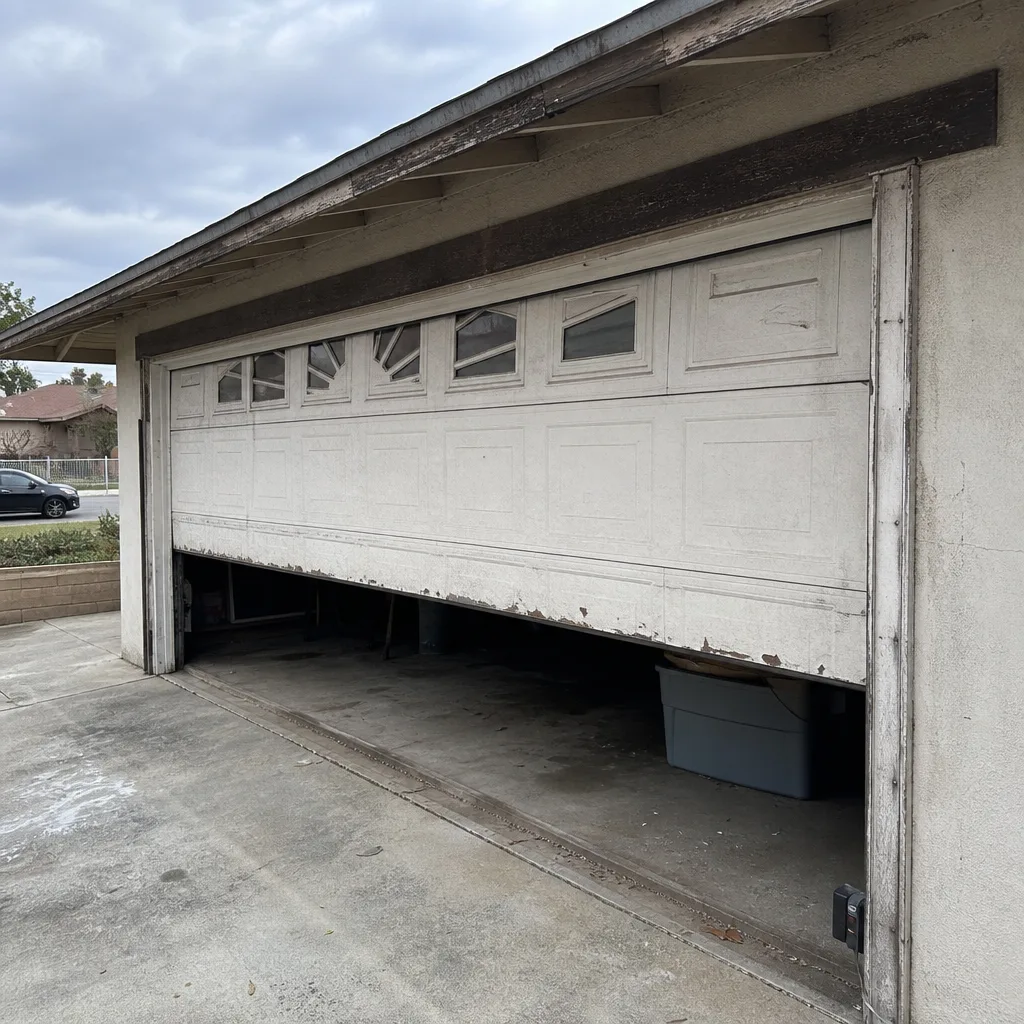 Before
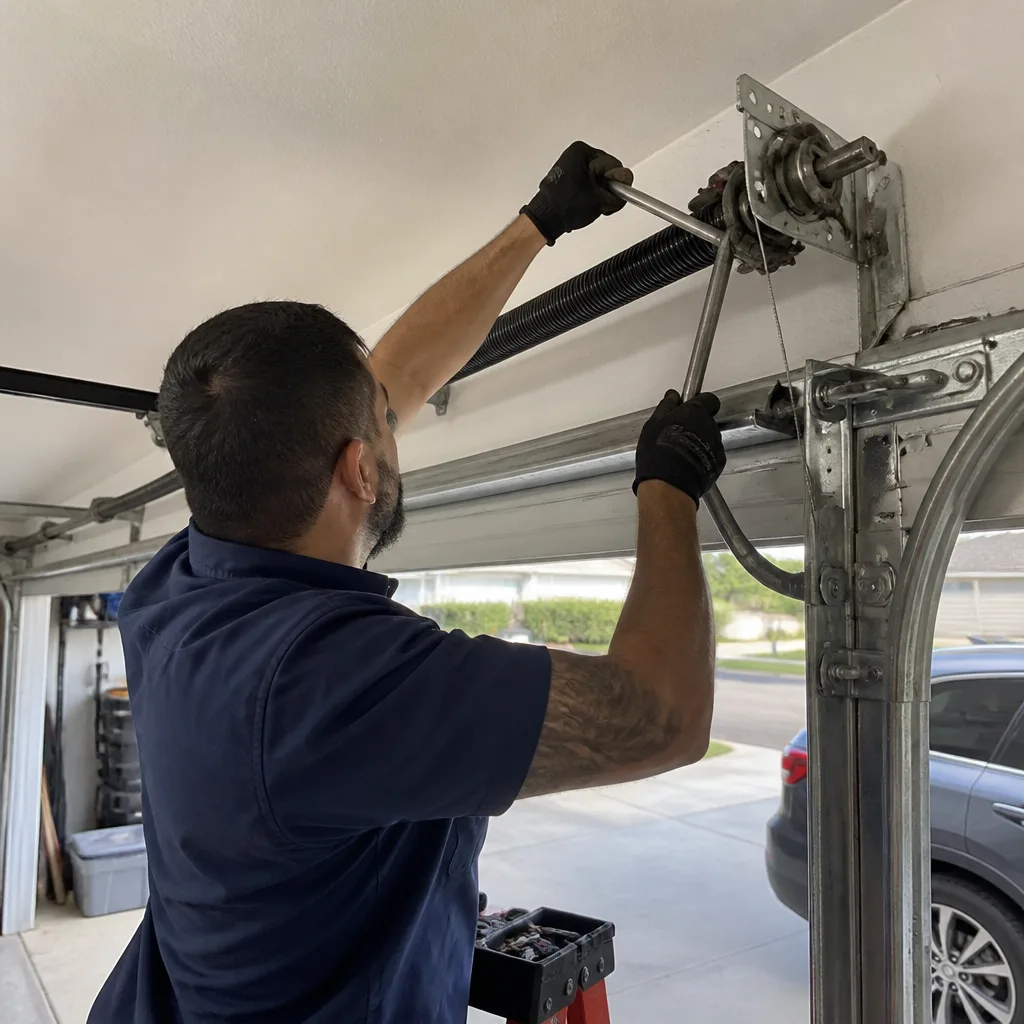 After
After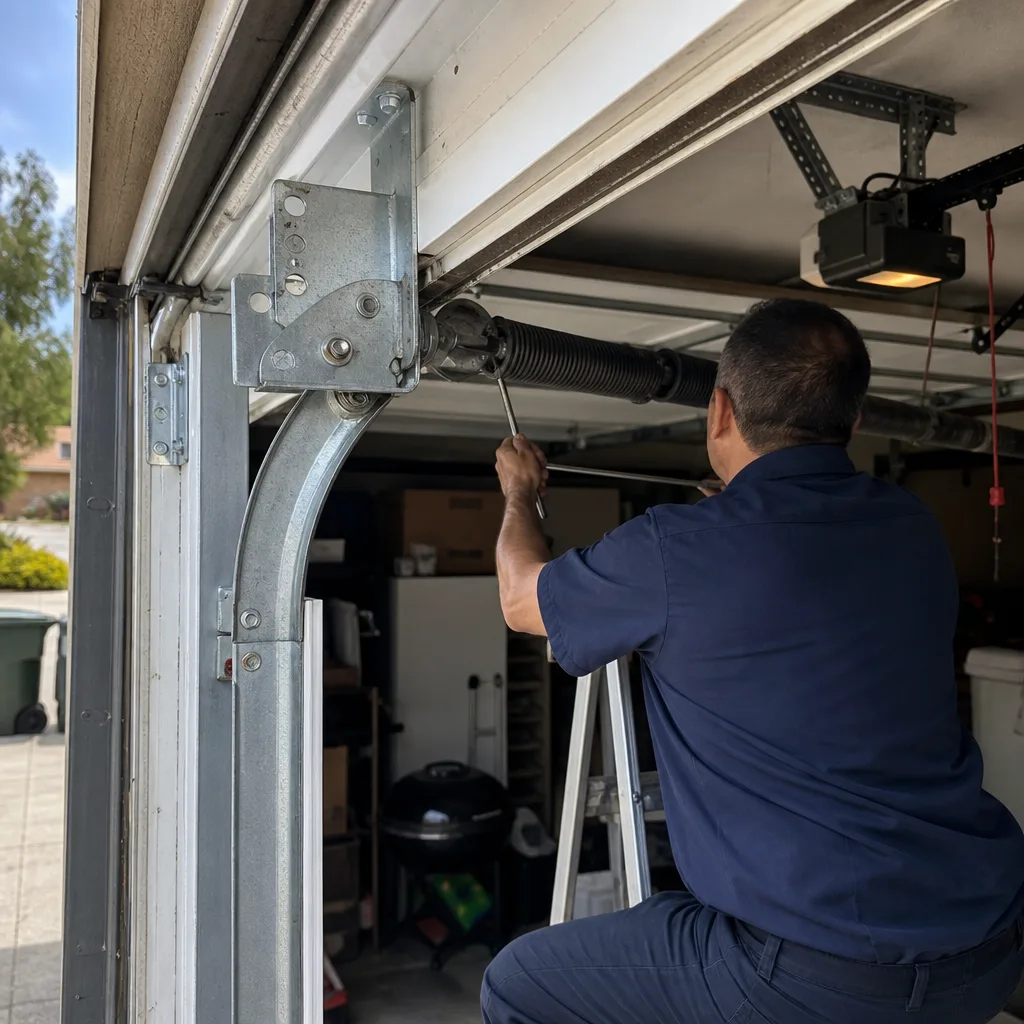 Before
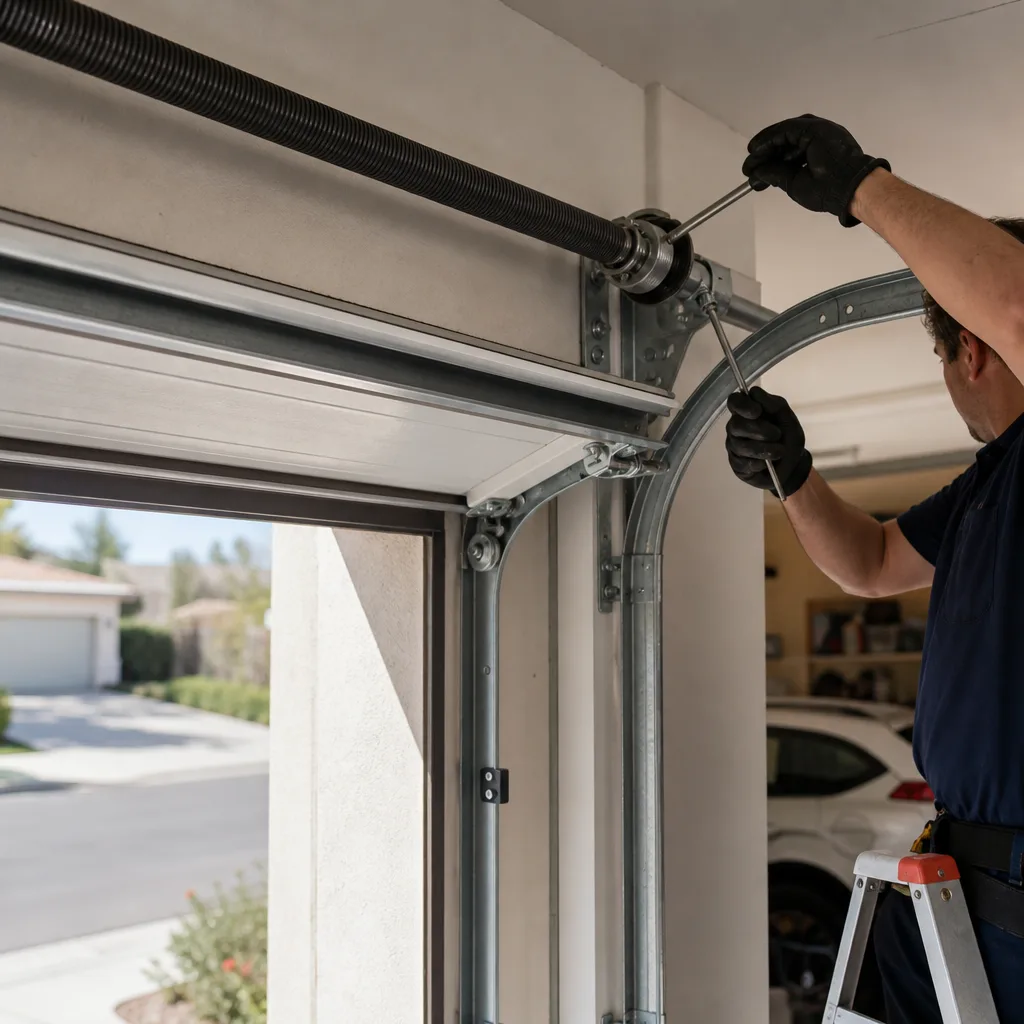 After
After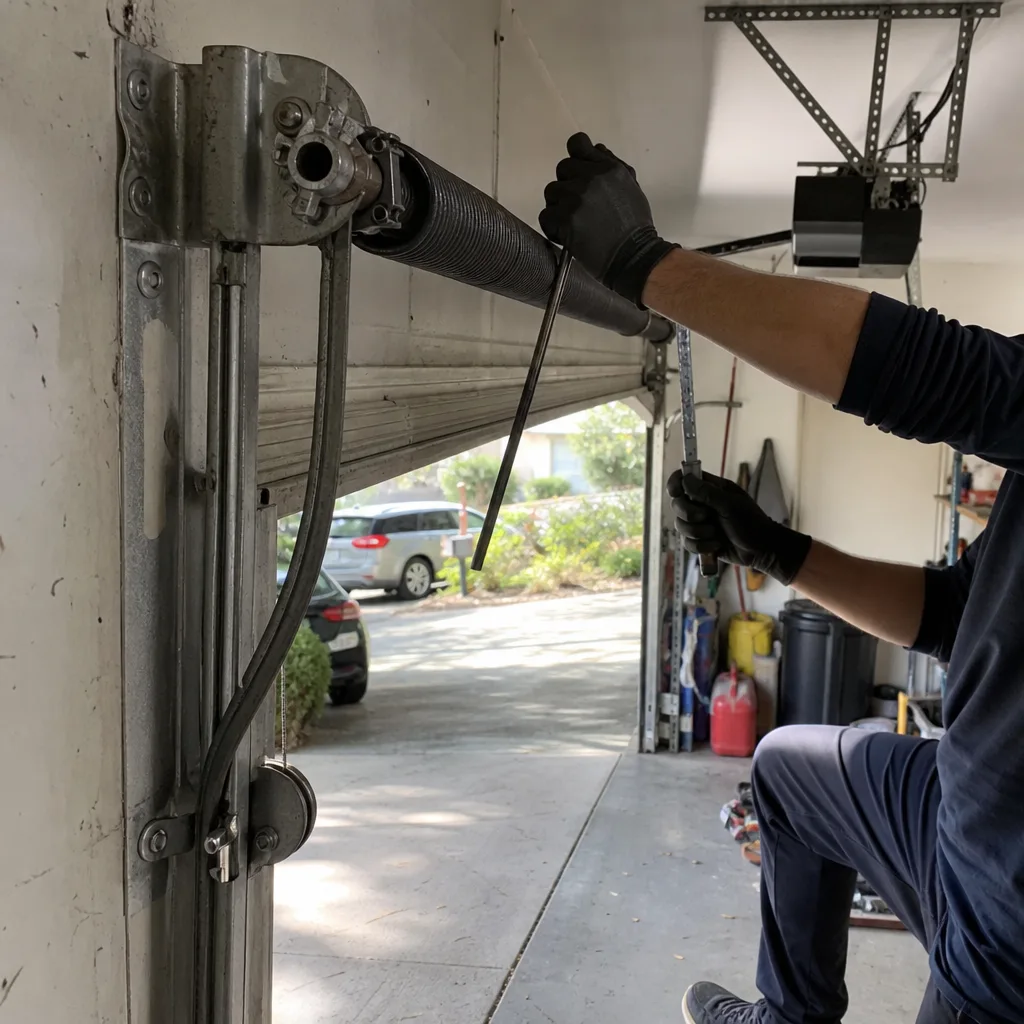 Before
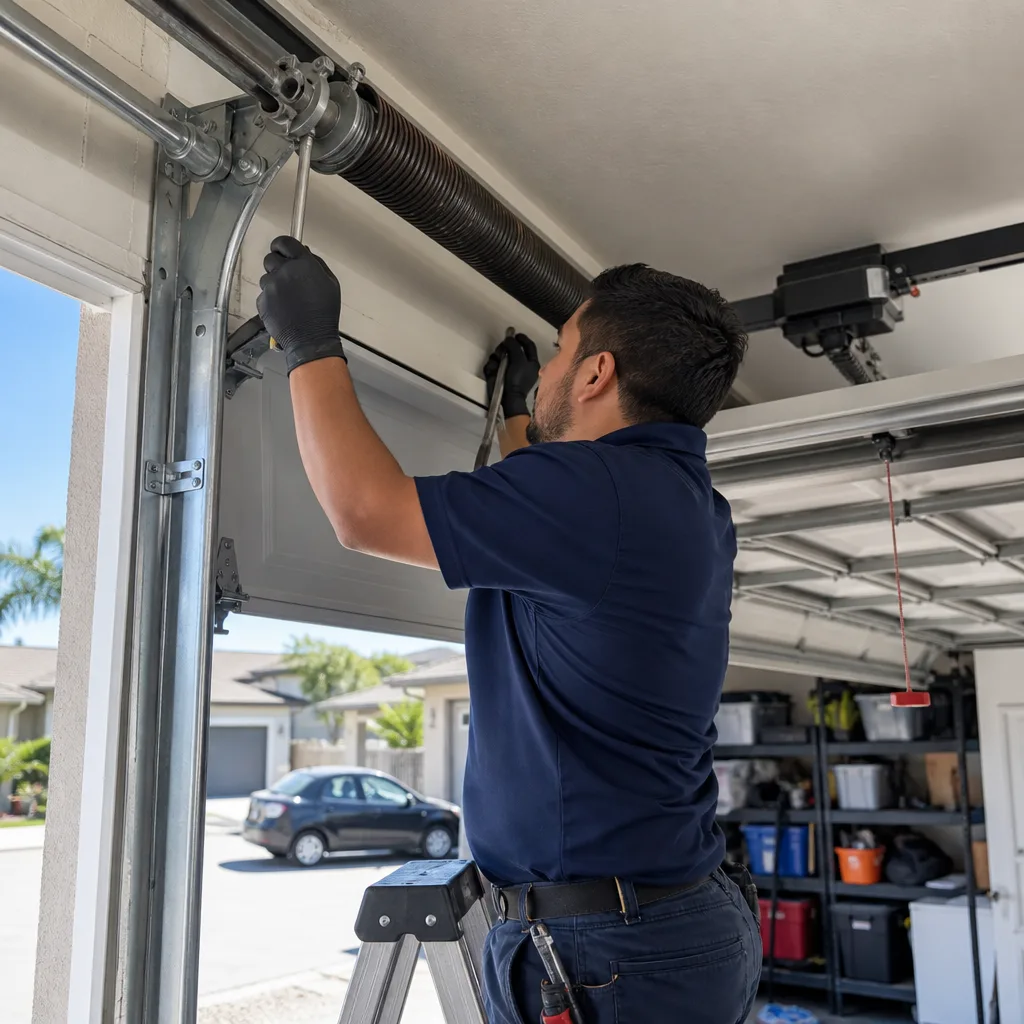 After
AfterGenie Roller Replacement: The Escondido Owner’s Guide
Genie roller replacement in Escondido typically runs $110 to $220 installed, and we carry Genie-compatible rollers on the truck so the job is usually finished the same day you call. Rollers are the small wheels that carry your door up and down the tracks, and when one fails you’ll hear it before you see it: a grinding, rumbling, or squealing sound that gets worse every cycle. Most Escondido homeowners discover the problem the morning the door sounds like a shopping cart with a bad wheel and wonder if the opener is dying. It’s not the opener. It’s almost never the opener.

If a roller is chipped, flat-spotted, or wobbling, the door keeps working but it’s chewing up the track and putting extra load on the springs and opener every single time. That’s the repair bill growing while you wait. A door is 200 pounds riding on two springs and whatever wheels are under it. Respect it.
Which Genie Models This Applies To
Genie has been building openers and door hardware for decades, and the roller spec matters more than the opener model you have. The rollers live on the door itself, not the opener, so compatibility comes down to the roller stem size and wheel diameter. Most Genie residential doors built since the early 2000s use a standard 2-inch nylon roller with a 7/16-inch stem, but we’ve pulled plenty of older Escondido doors apart and found 1-inch steel rollers, 3-inch commercial rollers, or stems that are 3/8-inch on low-headroom track setups.
The single biggest compatibility gotcha we see: some Genie-branded doors sold through big-box stores in the 1990s used a 4-inch stem extension bracket that looks close to standard but is not interchangeable. If you eyeball one roller against another and the stem doesn’t seat flush in the hinge, that’s the one. We match OEM Genie rollers or quality aftermarket equivalents from brands we trust, and for Escondido’s dry heat and occasional Santa Ana dust, we prefer sealed-bearing nylon rollers over steel. Steel rollers hold up structurally but they’re loud, they rust, and they grind metal-on-metal in the track. Nylon with sealed bearings runs quieter and lasts years longer in this climate. We’re an independent shop, not affiliated with Genie, but we work on their equipment every week and stock what fits.
Signs Your Genie Roller Replacement Is Failing
- Grinding or scraping during travel: The ball bearings inside the roller have worn flat or the wheel has chipped. That grit you hear is metal or nylon debris dragging inside the track, and it’s scoring the track surface as it goes. Every cycle adds wear.
- Door shakes or shudders on the way up: One bad roller throws the door off its smooth rhythm because it’s gripping instead of rolling. The door still opens, but the vibration travels through the panels into the hinges and opener rail.
- Visible wobble or a gap between wheel and track: A worn roller doesn’t sit centered in the track anymore. You can often see daylight between the wheel and the track wall where there used to be none. Walk the track line and look at each roller individually.
- Door hangs crooked or pauses mid-travel: When a roller binds, the door’s weight shifts unevenly between the two sides. Springs and cables compensate for a while, then they start wearing faster. That is the expensive domino waiting to tip.
- Black dust or metal flakes below the tracks: That’s roller material, not normal garage dust. Steel rollers shed rust and metal powder; nylon sheds black composite grit. Either way, the roller is actively disintegrating and the track is collecting the evidence.
One failed roller can take out the one next to it within a few months, because the door starts riding with uneven pressure on the remaining wheels. When a roller goes, we recommend replacing the full set on that door rather than just the one. The labor is mostly in getting the door safely braced and the rollers out; doing all of them at once costs far less than doing them one at a time over two years.
Replacement Cost & What’s Included
In Escondido, full Genie-compatible roller replacement on a standard two-car residential door runs $110 to $220 installed, depending on how many rollers the door has and whether they’re standard nylon or sealed-bearing upgrades. A single-panel single roller swap starts at the bottom of that range; a full set of sealed-bearing nylon rollers on a 16-foot door with four sections lands at the top. The price always includes the rollers, labor, track inspection, and a quick balance test once everything’s back in place.
You’ll get the price quoted on the phone before we head out, and that number does not change when we pull into your driveway and see the door for the first time. We write the 90-Day Done Right Promise on every invoice: if it’s not done right, we make it right, and one call brings Otto back. No trip charge inside the county, and we carry Genie-compatible rollers, hinges, brackets, and track hardware on the van so we’re not ordering parts and leaving your door half apart. If you also need opener or spring work, we’ll tell you what we find and quote it before touching anything. We also stock parts for LiftMaster and Chamberlain doors, same truck, same day.
DIY or Call Us?
Here’s the honest split. You can safely check your rollers by closing the door and walking the track line with a flashlight, looking for wobble, flat spots, or black dust. That costs you nothing and tells you whether you actually need the repair. What you should not do is unbolt the bottom roller brackets yourself. The bottom rollers sit under cable tension, and if the door is not properly braced before you pull that bracket, the cable can let go and the door can drop. That is the injury risk on this job, and it’s not worth gambling on.
The roller swap itself is fast for someone who does it every week: we brace the door, pull the rollers section by section, and button it back up in under an hour on most doors. For what it costs versus what a dropped door or a snapped cable costs, this is one repair where the math favors calling. If you’re in Escondido and the door sounds like it’s chewing gravel, call us at (760) 313-7785. We’ll quote it on the phone and hold the price when we get there.
FAQs
Standard steel or cheap nylon rollers in this dry, dusty climate typically last 5 to 7 years before bearings start grinding; sealed-bearing nylon rollers on Escondido doors commonly last 10 to 15 years because the seals keep out the fine dust that kills bearings. If your door cycles four times a day or more, expect the shorter end of that range. Call (760) 313-7785 and we’ll tell you over the phone whether your rollers are worn or something else is grinding.
No. Rollers are sealed units: the bearing is pressed inside the wheel and cannot be repacked or rebuilt, so once the wheel wobbles or the bearing grinds, replacement is the only real fix. The good news is a full set of quality rollers costs less than most people assume. We’ll quote the exact number before any work starts.
On a standard two-car residential door in Escondido, a full roller set replacement takes 45 minutes to an hour. If it’s a single stubborn roller or an older door with rusted hardware that fights us, budget 90 minutes. Either way, we carry the parts on the truck so there’s no second visit.
We stock Genie-compatible rollers in every common size, including the 2-inch nylon with sealed bearings that covers most Genie residential doors in Escondido. If you have an oddball size, our shop is local and we can usually have it the same afternoon. Call (760) 313-7785 and Otto will tell you exactly what we’ve got before we roll out.
Written by Otto Reinhardt, Owner, Otto’s Garage Door at Otto’s Garage Door, serving Escondido and nearby areas.