
Full 25-point door and opener safety check with every visit - springs, cables, rollers, tracks, and your LiftMaster or Chamberlain opener included
You get a price before we start. It does not change when the truck arrives.
 Before
 After
After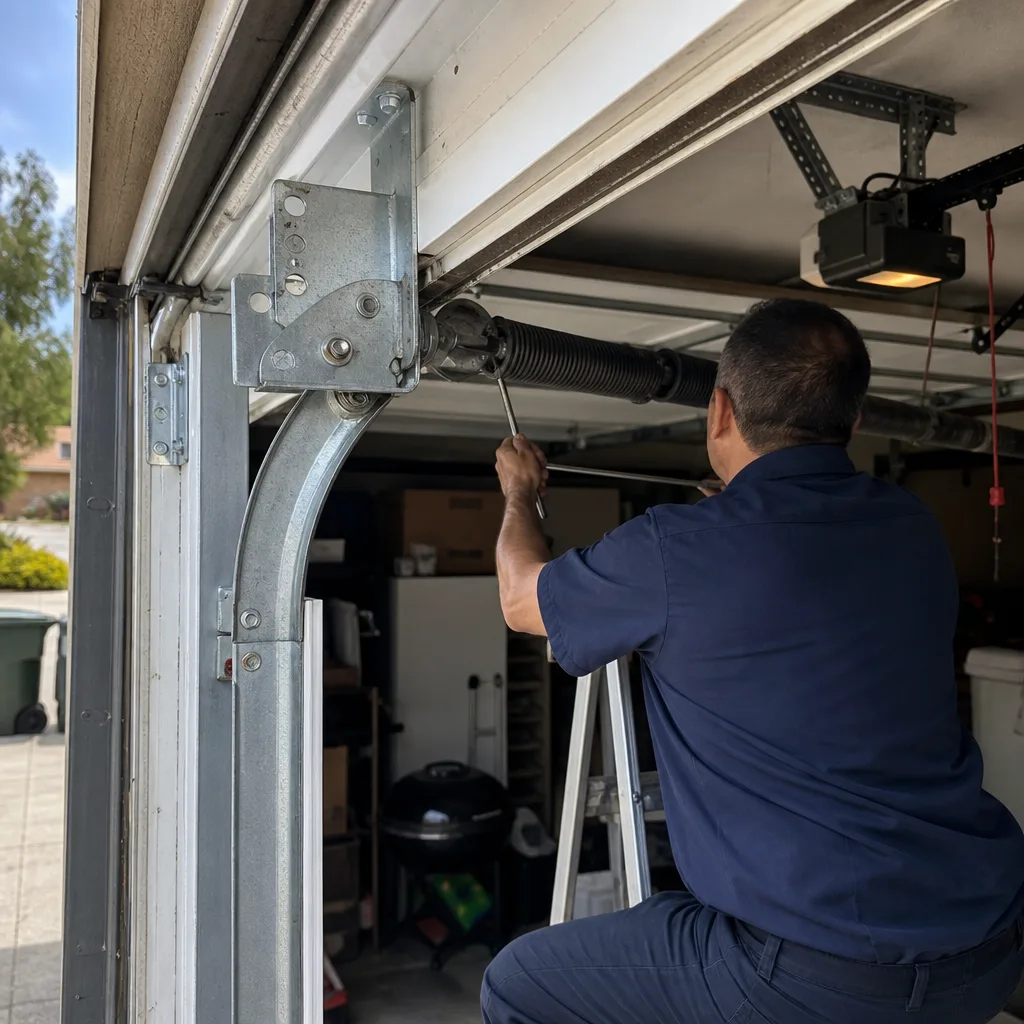 Before
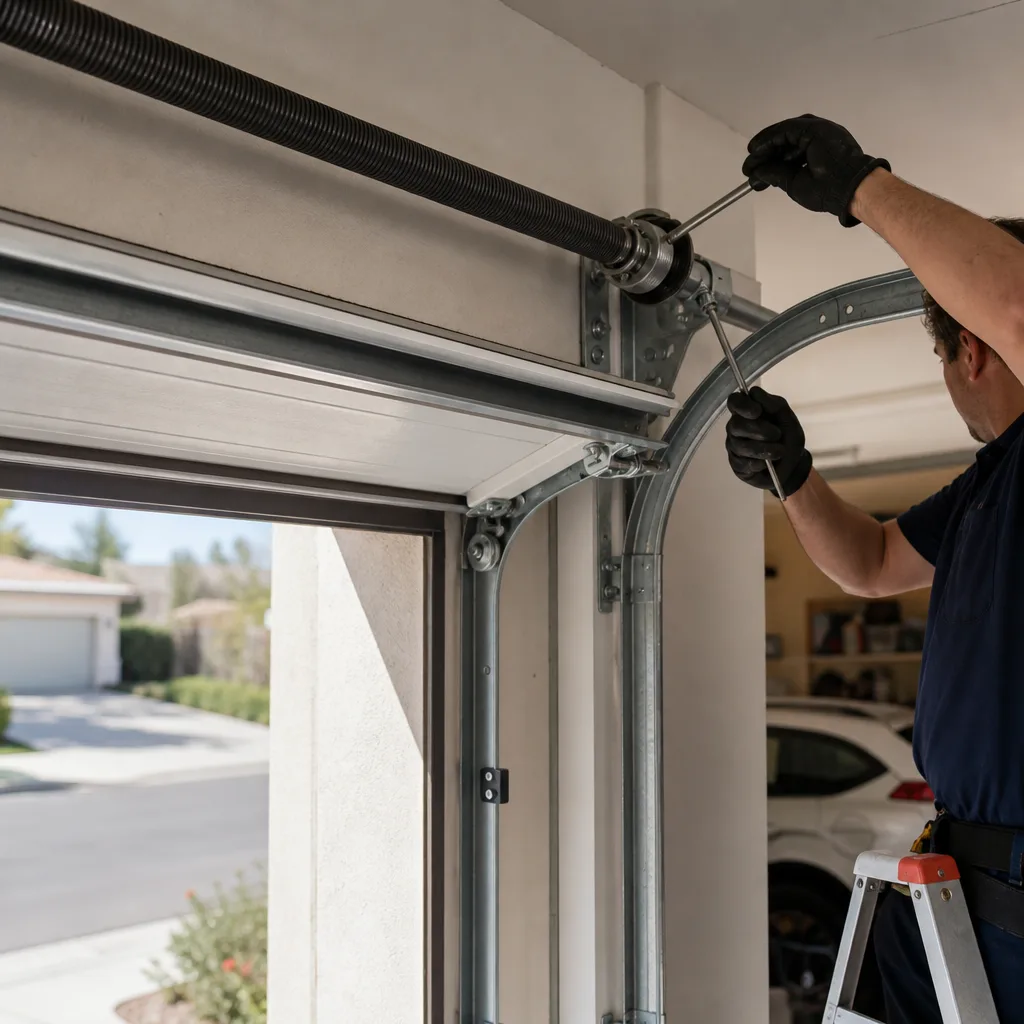 After
After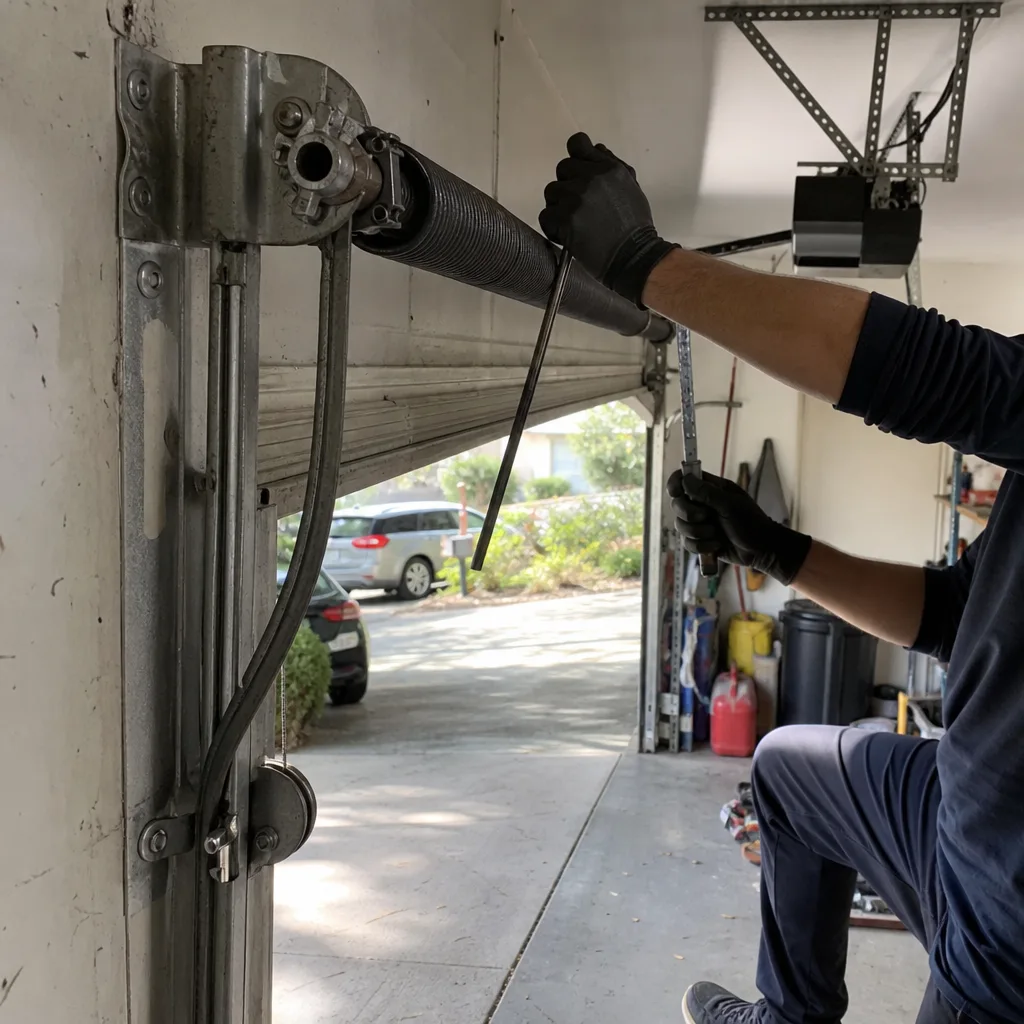 Before
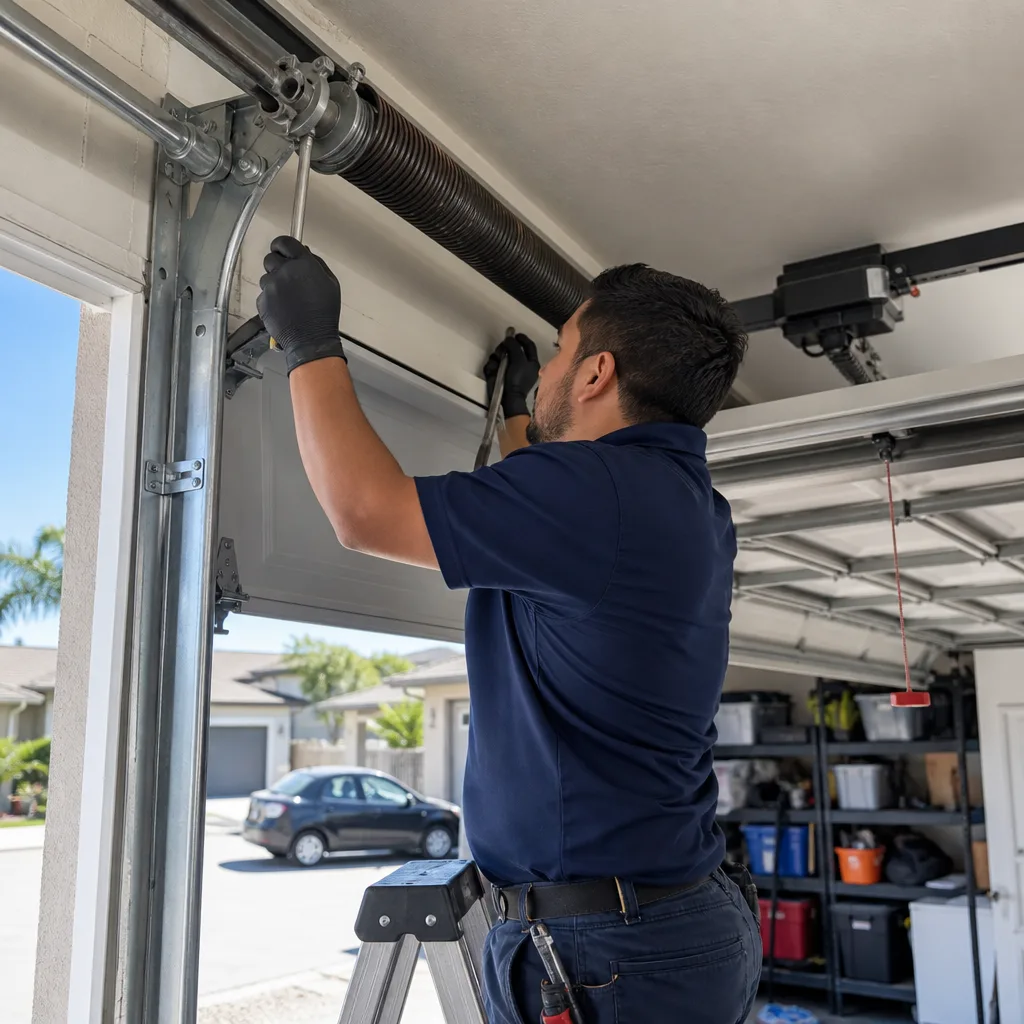 After
AfterClopay Roller Replacement: The Escondido Owner’s Guide
We stock and install Clopay-compatible rollers for most residential models, and in Escondido the installed price typically runs $110 to $220 depending on how many rollers you’re replacing and what grade we’re putting in. Most roller jobs are done same-day because we carry the common sizes on the truck. You’ll usually know a roller’s failed when the door starts jerking on the way up, sounds like it’s dragging gravel, or one side sits visibly lower than the other.

Here’s the thing about rollers: they’re the cheapest wear part on a Clopay door, and also the one people ignore longest. A door rolling on worn-out rollers strains everything else, the hinges, the track, even the opener. Otto has pulled rollers out of Escondido doors that were nothing but a bearing and three pieces of what used to be a wheel. You don’t need to wait until it’s that bad.
Which Clopay Models This Applies To
Clopay’s residential line covers a lot of ground, Gallery series, Classic series, Coachman, Bridgeport, and the newer Canyon Ridge and Modern Steel lines. The good news? Most of them use the same roller diameters. The bad news? They don’t all, and that’s where a lot of homeowners get tripped up ordering parts online.
Clopay doors typically run either 2-inch or 3-inch rollers, and the stem length varies between 4 and 7 inches depending on the track setup. A 2-inch roller in a track built for 3-inch rollers will rattle and wear out the hinges prematurely. Here’s the compatibility gotcha that bites people in Escondido: some Clopay models use a longer stem than the generic rollers you’ll find at the big-box store, and the generic stem won’t seat properly in the hinge. You end up with a door that technically rolls but wiggles side to side every cycle. That wiggle is how you oval out a hinge barrel, and now you’re replacing hinges too.
Genuine Clopay rollers are consistent quality, but there are quality aftermarket equivalents made from better materials, like nylon-coated steel wheels with sealed ball bearings, that outperform OEM stock rollers on older models. We’ll tell you honestly which makes sense for your door. The 2004 C.H.I. doors and Clopay doors from the early 2000s in particular respond well to upgraded nylon rollers, quieter and smoother than the original steel-on-steel wheels.
We’re an independent shop, not affiliated with Clopay, which means we can put the best roller for your situation on the door without worrying about what a factory catalog says you should use.
Signs Your Clopay Roller Replacement Is Failing
- The door shudders or hops on the way up. That’s a flat-spotted or cracked wheel. Once the roller stops being round, every revolution slams the door against the track. The shudder only gets worse, and it’s transferring that shock into the hinges and the opener rail.
- A grinding or gravel-in-a-can sound when the door moves. The sealed bearing inside the roller has given up, and you’re hearing metal on metal. If you’ve got steel rollers from the factory, this is usually the first sign they’re done.
- One side of the door hangs lower than the other when it’s halfway open. One roller is worn more than its partner, so the door tilts. Over time that tilt puts uneven load on the lift cables and can shave hundreds of cycles off your springs.
- The door feels heavy when you run it manually. Pull the release cord and lift the door by hand. Six or seven worn rollers add more friction than you’d think, and that’s the opener working harder every single cycle. A straining opener rarely fails on its own; it’s usually pulling through a door that’s fighting back.
- You can see wobble in the wheel when the door is moving. Take a flashlight and watch the rollers as the door travels. If any wheel is visibly dancing in the track instead of rolling straight, it’s starting to wear the stem hole in the hinge and it’s time to replace it before the hinge goes with it.
Replacement Cost & What’s Included
In Escondido, a full roller replacement on a standard two-car Clopay door runs $110 to $220, and that’s parts and labor, not parts plus surprise. Most doors have 10 to 12 rollers, and the price depends on how many we’re swapping and whether you want standard steel rollers or the quieter nylon ball-bearing upgrades. The material cost per roller is modest; you’re paying for the time to pull the door apart safely and get every wheel seated correctly.
What’s included: we inspect every roller on the door, even the ones that look fine, replace what’s worn, lube the ones that have life left, and check the hinges and track while we’re in there. If we find a hinge that’s been ovaled out by a bad roller, we’ll show you and quote the fix before touching it. Every job carries the 90-Day Done Right Promise in writing. That means if a roller we installed fails inside ninety days, one call brings Otto back to make it right. No phone tree, no fine print.
The price we quote on the phone is the price you pay when we’re done. We don’t revise upward at the driveway, and you’ll hear the number before we touch the door.
DIY or Call Us?
Rollers are on the safer end of garage door work, but there’s one exception that matters. The bottom roller on each side is attached to the bracket that holds the lift cable under tension. If you unbolt that bracket without winding the tension off first, that cable can whip and take a finger or an eye with it. We’ve seen it. A lot of people think they’ll just pop the bottom roller out and learn the hard way why that’s the one roller you don’t touch.
What you can do safely: watch the rollers with a flashlight and identify which ones are wobbling or chipped, lube the bearings with a garage-door-specific lubricant if they’re just dry, and give us a description of what you’re seeing. What usually goes wrong with DIY is the owner replaces the easy rollers and leaves the bad ones that require pulling the bottom bracket, so the door still runs rough and now it’s wearing the new rollers unevenly.
If you’re in Escondido and you’d rather not wrestle a 150-pound door panel while lying on your back, call (760) 313-7785 and we’ll get you sorted. The name on the invoice is the same name that’s been doing this in this county since 2004.
FAQs
Steel rollers on a Clopay door in Escondido typically last 7 to 10 years, and nylon ball-bearing rollers can go 12 to 20 years depending on how many cycles the door sees each day. The dry inland heat cracks the nylon wheels faster than coastal humidity would, so if your door faces west and bakes in the afternoon sun, expect the shorter end. Call (760) 313-7785 and we’ll tell you what’s left on yours before we tell you what it costs to replace.
No, a roller with a cracked wheel, a seized bearing, or a bent stem is a throwaway part. There’s no rebuilding a $8 roller, and trying to run it anyway will chew up a hinge that costs more than the roller did. We stock replacements on the truck, so there’s no second trip and no waiting on a parts order for the common sizes.
A full ten-roller swap on a standard Clopay door takes about 45 minutes to an hour in Escondido, assuming the hinges are in good shape. We quote that time on the phone and we hold it, same as the price.
We carry the common 2-inch and 3-inch roller sizes, both steel and nylon, along with parts for LiftMaster, Chamberlain, and Genie openers, so most roller jobs get done in one stop. If your door needs a specialty stem length, we’ll tell you on the call and have it in hand before we show up.
If your Clopay door is grinding, hopping, or just louder than it used to be, call (760) 313-7785 for a free estimate. A live person answers, day or night, and the price we give you is the price you’ll pay. I’ll tell you what’s wrong before I tell you what it costs.
Written by Otto Reinhardt, Owner, Otto’s Garage Door at Otto’s Garage Door, serving Escondido and nearby areas.